...
More

    Culinary Class Wars: The Explosive Cooking Show Taking the World by Storm! (Watch IT Now!)

    Netflix’s Culinary Class Wars isn’t just another cooking show—it’s a global sensation that has captivated audiences from Seoul to San Francisco. With its high-stakes competition between renowned chefs and underdog culinary talents, this Korean reality show is shaking up the cooking world.

    The intense battles, surprising twists, and raw emotion are leaving viewers hooked, episode after episode. But what exactly sets this show apart from the countless other cooking competitions?

    Let’s dive into why Culinary Class Wars has not only captured global attention but also redefined what it means to win in the kitchen, changing the way we view food and competition forever.

    Culinary Class Wars captivates global viewers with intense chef battles, redefining cooking competitions worldwide.

    Why Culinary Class Wars Stands Out from the Crowd

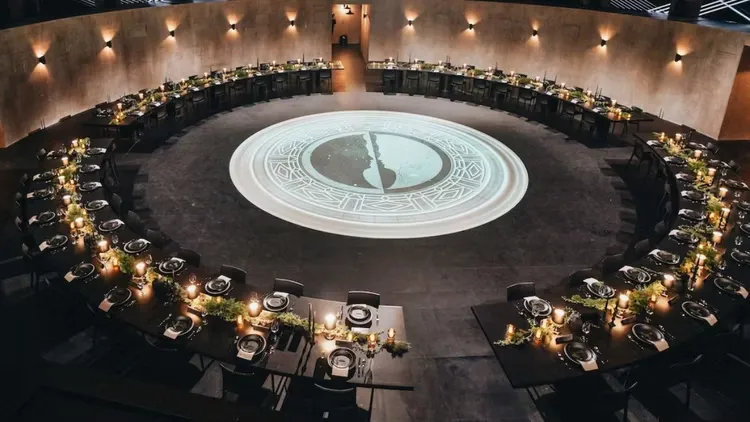
    If you’re a fan of cooking competition shows like MasterChef or Top Chef, you might think you’ve seen it all. However, Culinary Class Wars brings a fresh twist by pitting two distinct groups against each other: the renowned White Spoon chefs and the Black Spoon underdogs, often talented but less recognized. This isn’t just about fancy plating or Michelin-star techniques; it’s about pride, passion, and breaking down class barriers in the culinary world. With an elimination process starting with 100 chefs and narrowing down to the finalists, the show offers both gripping drama and a celebration of culinary artistry.

    Culinary Class Wars: The Explosive Cooking Show Taking the World by Storm!
    Culinary Class Wars brings a fresh twist to cooking competitions like MasterChef or Top Chef, blending drama and artistry.

    The Battle of Pride: White Spoons vs. Black Spoons

    At the core of the show is the intense showdown between White Spoon chefs—many with Michelin stars or running high-end restaurants—and Black Spoon chefs, who come from humble backgrounds, cooking in small restaurants or street stalls. This David vs. Goliath dynamic resonates with viewers, especially in a time when rooting for the underdog is more popular than ever. The White Spoons risk their reputations, while the Black Spoons fight for recognition, adding real stakes to every episode. Watching lesser-known chefs outshine their star-studded counterparts gives the audience a sense of satisfaction and emotional investment.

    White Spoon chefs vs. Black Spoon underdogs create high-stakes drama, echoing MasterChef’s dynamic.

    An Unmatched Panel of Judges

    The show’s judges, Paik Jong-won and Michelin 3-star chef Ahn Sung-jae, take Culinary Class Wars to a whole new level. Paik, South Korea’s beloved restaurateur, brings his expertise in mass-market appeal, while Ahn offers a refined and precise critique. Their contrasting perspectives ensure that the dishes are evaluated for both taste and their real-world potential. This dynamic often leads to lively debates, engaging viewers in the complexities of culinary art.

    Culinary Class Wars: The Explosive Cooking Show Taking the World by Storm!
    Judges Paik Jong-won and Michelin chef Ahn Sung-jae bring dynamic critiques, blending mass appeal with refined precision.

    A Relatable Cast of Chefs

    One of the reasons Culinary Class Wars appeals to global audiences is its diverse cast. Unlike many cooking shows that focus on professional chefs, this show features contestants from all walks of life—school cafeteria cooks, street food vendors, and more. Their stories of self-taught skills, perseverance, and passion make them incredibly relatable. For example, Lee Sang-pil’s simple but perfectly executed aglio olio impressed the judges, proving that sometimes less is more. Chef Kwon Seong-joon, aka “Napoli Mafia,” brought Italian flavors to Korea with his bisque risotto, showing that great food can come from anywhere.

    A New Culinary Culture Wave: Korean Cuisine in the Spotlight

    Korean cuisine has always been rich and diverse, but Culinary Class Wars brings it to new heights by showcasing not only popular dishes but also lesser-known regional flavors and innovative twists on traditional recipes. From fermented kimchi to intricate dumplings and radish steaks, the show highlights the depth and variety of Korean food culture. This has helped captivate a global audience, as viewers are not just watching a competition but also learning about the vibrant world of Korean cuisine.

    With just two judges, Culinary Class Wars builds suspense through disagreements, and blind taste tests ensure a fair focus on the food.

    A Format That Keeps You Guessing

    Unlike most cooking shows that feature a panel of three or more judges, Culinary Class Wars uses only two judges, creating suspense when they disagree. They must find common ground, which keeps viewers on edge, wondering which opinion will prevail. The blind taste tests also level the playing field, allowing the judges to focus purely on the food without knowing who made it. This raw, taste-first approach emphasizes that, in the end, the food speaks for itself.

    The Real-World Impact of Culinary Class Wars

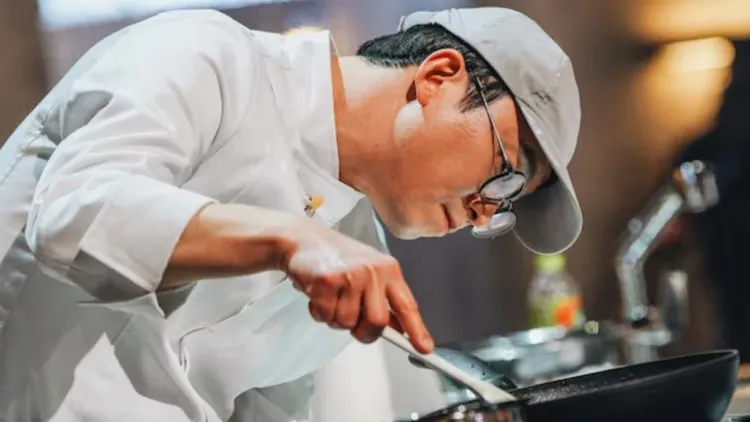
    Beyond the screen, Culinary Class Wars has had a significant impact, particularly on the Korean restaurant industry. Featured chefs have seen a surge in popularity, with restaurants fully booked within minutes after an episode airs. Chef Choi Kang-rok’s restaurant Neo received over 20,000 reservation requests just one minute after his episode aired. Similarly, Black Spoon chefs have attracted large crowds, boosting the local dining scene.

    Related Interesting Post

    Conclusion: What’s Next for Culinary Class Wars?

    As Culinary Class Wars continues to climb Netflix’s global charts, its influence is spreading far beyond Korea. With its innovative format, diverse cast, and compelling storytelling, the show has breathed new life into the cooking competition genre. Fans are eagerly awaiting a second season, and it’s clear that this groundbreaking series will continue to inspire chefs and food lovers alike.

    If you haven’t watched it yet, what are you waiting for? Get ready to be captivated by the intense battles, mouth-watering dishes, and unforgettable stories. Culinary Class Wars is more than just a cooking show—it’s a global phenomenon celebrating the universal love for food.

    FAQs

    What is Culinary Class Wars about?

    Culinary Class Wars is a Korean cooking competition on Netflix that pits famous chefs (White Spoons) against lesser-known talents (Black Spoons). The show features intense culinary battles judged by restaurateur Paik Jong-won and Michelin-starred chef Ahn Sung-jae.

    Why is Culinary Class Wars so popular worldwide?

    The show’s unique format, which includes a diverse cast, blind taste tests, and intense competition, resonates with global audiences. It also showcases Korean cuisine in innovative ways, attracting food lovers from around the world.

    How is Culinary Class Wars different from other cooking shows?

    Unlike most cooking shows that feature only professional chefs, Culinary Class Wars includes both elite chefs and underdogs. The show also features blind judging and suspenseful moments with only two judges.

    Who are the judges on Culinary Class Wars?

    The judges are Paik Jong-won, a renowned restaurateur, and Ahn Sung-jae, the head chef of South Korea’s only three-Michelin-starred restaurant, Mosu Seoul.

    What impact has the show had on the restaurant industry?

    Restaurants owned by contestants have seen a surge in popularity, with many fully booked for months. The show has sparked renewed interest in Korean cuisine and its chefs.

    Where can I watch Culinary Class Wars?

    Culinary Class Wars is available for streaming on Netflix worldwide.

    Hidden Gems You Must Visit in and Around Seoul(6) – Seoul Botanic Park

    Autumn in Seoul transforms the city into a breathtaking canvas of fiery reds, glowing yellows, and warm oranges, but where can you truly escape the urban bustle to fully embrace this natural spectacle?

    Discover Seoul Botanic Park, an enchanting hidden gem in the city’s western corner, where serene landscapes and vibrant fall foliage create the perfect retreat for nature lovers. If you’re seeking peace, beauty, and a refreshing autumn adventure, this fall hotspot is an experience you simply cannot miss.

    Ready to uncover Seoul’s best-kept autumn secret? Keep reading!

    Hidden Gems You Must Visit in and Around Seoul(6) - Seoul Botanic Park
    Discover Seoul Botanic Park, a hidden gem offering serene autumn landscapes and vibrant fall colors in western Seoul.

    Experience the Beauty of Autumn in Seoul

    Autumn in Seoul brings a refreshing atmosphere to the city, painting everything in stunning shades of red, yellow, and orange. With a crisp breeze and falling leaves, this season offers the perfect opportunity for locals and tourists to explore quieter spots where nature’s beauty truly shines. One such oasis is Seoul Botanic Park, located in the western part of the city. This park combines lush greenery, vibrant autumn colors, and serene surroundings, making it an essential fall destination.

    A Botanical Gem in the Heart of Seoul

    Discovering Seoul Botanic Park

    Nestled in Magok, Gangseo-gu, Seoul Botanic Park spans a massive 504,000 square meters and is one of the city’s newest treasures. It seamlessly blends a public park with a botanical garden, offering visitors a chance to enjoy both Seoul’s natural beauty and botanical wonders from around the world. Whether you’re a nature lover, photographer, or simply seeking tranquility, this park offers the perfect backdrop for a peaceful autumn day.

    Sections of the Park: From Forest to Gardens

    Seoul Botanic Park consists of four distinct areas:

    • Open Forest
    • Lake Garden
    • Wetland Garden
    • Botanic Garden

    During the fall, the park transforms into a vibrant palette of colors, providing a picturesque retreat within the city. From the moment you step into the Open Forest, you’ll encounter maple and ginkgo trees in their full autumn glory, creating a welcoming, adventurous atmosphere.

    Outdoor Gardens: Nature in Full Splendor

    Theme Garden: A Dance of Autumn Grasses

    In the Theme Garden, autumn reveals itself through the beauty of silver grass, small reeds, and swamp foxtail. These iconic autumn plants sway in the wind, offering a picture-perfect scene for photographers and nature lovers alike.

    Lake Garden: A Peaceful Autumn Promenade

    Stroll along the promenade encircling the Lake Garden, where vibrant autumn leaves frame the water, creating a serene and reflective atmosphere. Wetland plants, ducks, and egrets add to the scenic beauty, inviting visitors to sit and take in the tranquility.

    Hidden Gems You Must Visit in and Around Seoul(6) - Seoul Botanic Park
    Stroll Lake Garden’s serene promenade, surrounded by autumn leaves, wetland plants, and wildlife.

    The Greenhouse: A Tropical Escape in the City

    Entering a World of Tropical and Mediterranean Plants

    Step inside the Greenhouse, the only concave, plate-shaped structure of its kind in the world, and discover over 8,000 plant species from tropical and Mediterranean climates. The Mediterranean Pavilion recreates famous cities like Rome and Istanbul, showcasing olive trees, rosemary, and vibrant bougainvillea in a lush indoor garden.

    Special Autumn Programs at Seoul Botanic Park

    Seoul Botanic Park offers over 30 unique autumn programs, enhancing your visit with a variety of experiences.

    Tea Time Tour at the Hanok Pavilion

    One of the park’s most popular offerings is the Tea Time Tour in the traditional Hanok Pavilion. Enjoy Korean tea in a rustic setting, surrounded by colorful autumn leaves, creating a moment of pure relaxation.

    Fragrant Tour: A Sensory Experience

    For those who love plants, the Fragrant Tour lets you gather and savor the scents of autumn plants, taking home a little scented sachet as a memento of your visit.

    Hidden Gems You Must Visit in and Around Seoul(6) - Seoul Botanic Park
    Explore the unique Greenhouse with 8,000 tropical plants and a Mediterranean Pavilion featuring Rome and Istanbul.

    Family-Friendly Programs: Fun for All Ages

    Forest School: Learning About Nature

    For families with children, Forest School offers hands-on activities where kids can learn about different types of trees and create their own wooden cutting boards. The Plant Doctor Program also teaches kids how to care for their houseplants, making nature education fun and interactive.

    Children’s Horticulture Studio: Crafting Nature-Inspired Art

    At the Children’s Horticulture Studio, kids can use dried flowers and leaves to create fall-themed artwork, blending art, education, and nature into a meaningful experience.

    Related Interesting Post

    Capturing the Season: Photography Hotspots

    Seoul Botanic Park is a photographer’s dream in autumn, with designated photography zones set up to capture the vibrant colors and stunning natural scenery.

    Camping-Themed Photo Zone

    One of the most popular spots is the Camping-Themed Photo Zone in the Theme Garden, featuring tents, campfire props, and fall plants like poinsettias and chrysanthemums.

    Lake Garden and Wetland Garden: Endless Inspiration

    The still waters of the Lake Garden, reflecting autumn’s colors, and the unique textures of the Wetland Garden create stunning backdrops for both amateur and professional photographers.

    Practical Information for Your Visit

    • Operating Hours: From March to October, 9:30 AM to 6:00 PM. From November to February, 9:30 AM to 5:00 PM. Closed on Mondays.
    • Entrance Fees:
      • Outdoor areas: Free
      • Botanic Garden and Greenhouse: 5,000 KRW for adults, 3,000 KRW for students, 2,000 KRW for preschoolers.
    • Transportation: The park is easily accessible via Magongnaru Station (Line 9), just a short walk from the entrance. It’s also conveniently located near Gimpo Airport.

    Conclusion: Add Seoul Botanic Park to Your Fall Bucket List

    Seoul Botanic Park is one of Seoul’s hidden gems, offering a perfect blend of natural beauty, cultural heritage, and modern design. Whether you’re looking to take quiet walks through colorful gardens, learn about plants from around the world, or snap breathtaking fall photos, this park has something for everyone.

    Make sure to add Seoul Botanic Park to your autumn itinerary and experience the stunning beauty of nature in the heart of Seoul.

    FAQs

    What are the operating hours of Seoul Botanic Park?

    Operating hours are from 9:30 AM to 6:00 PM (March to October) and from 9:30 AM to 5:00 PM (November to February). The park is closed on Mondays.

    Does Seoul Botanic Park charge an entrance fee?

    The outdoor areas are free to enter. Admission to the Botanic Garden and Greenhouse costs 5,000 KRW for adults and 3,000 KRW for students and seniors. Preschoolers pay 2,000 KRW.

    What family-friendly programs are available at Seoul Botanic Park?

    The park offers family-friendly programs, including children’s workshops on plant care, guided tours, and interactive activities like Forest School and the Plant Doctor Program.

    What plants can I see inside the Greenhouse?

    The Greenhouse houses over 8,000 plant species from 12 tropical and Mediterranean cities, including exotic plants, scented herbs, and unique architectural designs.

    When is the best time to visit Seoul Botanic Park in autumn?

    The best time to visit is from late September to mid-November, when the autumn colors are at their peak.

    How can I get to Seoul Botanic Park?

    The park is easily accessible via Magongnaru Station (Line 9), and its proximity to Gimpo Airport makes it convenient for both local and international visitors.

    The Future of Korean Cinema: Can It Maintain Its Global Popularity?

    From the groundbreaking success of Parasite to the rise of bold new voices, Korean cinema has transformed from a regional player into a global powerhouse. But with Hollywood and other film industries vying for attention, can Korean filmmakers maintain their dominance on the international stage? Let’s dive into the exciting future of Korean movies and what might be the next global sensation.

    The Future of Korean Cinema: Can It Maintain Its Global Popularity?
    Korean cinema’s global rise with Parasite sparks the question: can it keep its dominance in a competitive world?

    The Phenomenal Rise and Impact of Korean Cinema

    The success story of Korean cinema, once burdened by financial and cultural limitations, has risen to become a favorite in world cinema. This is not an overnight success; it was built on historical milestones, government policy, and a strong cinema culture. “Parasite,” directed by Bong Joon-ho, was a game-changer, winning the Palme d’Or at Cannes and making history at the Academy Awards. It broke the “one-inch-tall barrier” of subtitles, proving that great stories can transcend language.

    The Future of Korean Cinema: Can It Maintain Its Global Popularity?
    Korean cinema, boosted by Parasite’s global success, overcame financial limits through culture, policy, and history.

    Historical Landmarks and State Sponsorship

    The Future of Korean Cinema: Can It Maintain Its Global Popularity?
    Dansungsa Theater in 1950s Seoul marked Korean cinema’s birth with The Righteous Revenge (1919).

    The history of Korean cinema is marked by important milestones. While early days saw releases like 1919’s “The Righteous Revenge,” it was in the mid-1990s that significant changes occurred. The Korean government recognized the potential of the film industry and introduced policies to support its growth. The screen quota system, requiring theaters to exhibit domestic productions, was instrumental in nurturing homegrown talent and protecting the industry from Hollywood’s dominance.

    Influence of Film Festivals and Cinephile Culture

    Film festivals like the Busan International Film Festival (BIFF) and the Jeonju International Film Festival have been influential in promoting Korean cinema. These festivals provided platforms for new talent, introduced innovative works, and attracted international attention. They also fostered a vibrant film culture through activities that encourage discussion and appreciation across diverse audiences. Magazines and online forums like Cine21 provided avenues for cinephiles to critique and discuss films, enriching the film culture.

    The Future of Korean Cinema: Can It Maintain Its Global Popularity?
    BIFF and Jeonju festivals boosted Korean cinema, fostering talent and global acclaim.

    The Auteurs and Unique Storytelling Styles

    The late 1990s saw the emergence of visionary directors in Korean cinema. Directors like Park Chan-wook and Bong Joon-ho have made their mark with complex and bold narratives, integrating high-octane visuals with challenging themes. Their films blend universal appeal with cultural elements significant to Koreans, using unique narrative styles that integrate relatable plots with distinctly Korean settings and characters.

    The Future of Korean Cinema: Can It Maintain Its Global Popularity?
    In the late 1990s, directors like Park Chan-wook and Bong Joon-ho redefined Korean cinema with bold, culturally rich films.

    Meaning and Relevance in the Streaming Era

    The Korean film industry faces challenges, particularly with the disruptions caused by the pandemic. Traditional channels of film production and distribution have been hit hard, leading to financial uncertainties and delays in releases. However, the rise of streaming platforms presents new opportunities, providing global access to Korean films and boosting their visibility. Investments in production and distribution rights have significantly enhanced the reach of Korean cinema.

    Human Universal and Culturally Particular

    Korean films effectively blend cultural specificity with universal themes, appealing to diverse audiences. Movies like “Train to Busan,” “Oldboy,” and “The Handmaiden” showcase the creativity and adaptability of Korean filmmakers. The ability to weave culturally specific elements into universally relatable stories is a strength of Korean cinema. “Parasite,” for example, addresses social stratification within uniquely Korean settings.

    The Future of Korean Cinema: Can It Maintain Its Global Popularity?
    Korean films like Parasite and Train to Busan blend cultural depth with universal themes, captivating audiences globally.

    Case Study: “Parasite”

    “Parasite” is an exemplary blend of cultural specificity with universal themes. The film’s depiction of class disparities, set against the backdrop of semi-basement apartments and luxurious mansions, offers a strong commentary on social inequality. Its global success highlights the potential of Korean cinema to address global issues through a distinctly Korean lens.

    Transforming Storytelling: Emerging Trends and Opportunities

    Korean cinema continues to evolve with new trends and technologies. The emergence of webtoons and web novels has introduced fresh narratives and broadened content horizons. These adaptations, featuring innovative plots and characters, appeal to younger audiences and promote cross-media collaboration. Webtoons and web novels have become significant sources of inspiration for Korean filmmakers, offering diverse and imaginative stories. The success of adaptations like “Sweet Home” and “Itaewon Class” underscores this trend.

    The Future of Korean Cinema: Can It Maintain Its Global Popularity?
    Sweet Home, a renowned Korean drama, follows a teen battling monsters in a dystopian world, blending horror and survival.

    Economic Impact and Technological Advancements

    The global reach of Korean cinema has significant economic implications, increasing revenues, investments, and market expansion. The impact extends beyond the film industry, influencing tourism, merchandise, and cultural exchanges. Technological advancements in CGI, special effects, and cinematography have enhanced visual storytelling, allowing for more ambitious projects and contributing to the competitiveness of Korean cinema on the global stage.

    Global Collaboration and Cultural Diplomacy

    Global collaborations and co-productions offer exciting prospects for Korean cinema. Partnerships with international filmmakers and studios diversify and enrich storytelling, blending cultural perspectives and expanding the reach of Korean films. These collaborations foster mutual understanding and appreciation between cultures. Korean cinema plays a strong role in promoting Korean culture and values worldwide, enhancing cultural influence and strengthening Korea’s position on the global stage.

    The Future of Korean Cinema: Can It Maintain Its Global Popularity?
    Global collaborations in Korean cinema enhance storytelling, promote culture, and boost Korea’s influence worldwide.

    Conclusion

    The future of Korean movies remains strong, with potential to become an even more global phenomenon. Rich in history, innovative storytelling, and strategic growth, Korean cinema has a solid foundation for continued success. By embracing new opportunities and navigating challenges, Korean cinema is set to captivate audiences worldwide, reaffirming its place on the global stage.

    FAQs

    Why has “Parasite” been successful globally?

    “Parasite” became a global hit due to its strong storytelling, universal themes, and cultural specificity. Its exploration of social inequality, engaging plot, and relatable characters resonated with audiences worldwide.

    How has government support in Korea shaped the film industry?

    Local support by the Korean government, through policies like the screen quota system, nurtured native talent and protected the industry from Hollywood’s dominance. This support has been key to developing a dynamic and innovative film industry.

    What role do film festivals play in promoting Korean cinema?

    Film festivals like BIFF and the Jeonju International Film Festival provide platforms for showcasing Korean films, discovering new talent, and attracting international attention. They foster a rich film culture and public discourse about cinema.

    What is the effect of streaming platforms on Korean cinema?

    Streaming platforms have expanded the reach of Korean films, making them accessible to global audiences. They provide new distribution opportunities, contributing to the sustained popularity of Korean cinema.

    What are the emerging trends in Korean cinema?

    Emerging trends in Korean cinema include adaptations of webtoons and web novels, technological advancements in film production, and increasing global collaborations. These trends bring improvement and innovation to the industry.

    What is the future of Korean cinema?

    The future of Korean cinema looks bright, with technological advancements, international collaborations, and diverse storytelling methods that have a global impact. Continued innovation and adaptation will help maintain its global appeal and influence.

    Korean Unique Food, Jeon: Why is it Special?

    Experience Chuseok like never before—a vibrant holiday where tradition, family, and a rich harvest come together in a celebration of Korean culture. At the heart of it all is jeon, a deceptively simple dish that has evolved into a culinary icon.
    But what secrets lie behind this beloved Korean pancake? How did it rise from humble beginnings to become a must-have on both festive and everyday tables?

    Dive into the fascinating journey of Chuseok traditions and the rich, flavorful story of jeon, the dish that holds centuries of Korean heritage in every bite.

    Korean Unique Food, Jeon: Why is it Special?
    Discover the rich traditions of Chuseok and the cultural significance of jeon, a cherished Korean festive dish.

    Origins and Development of Jeon

    Jeon is more than just food; it’s a symbol of Korea’s rich history and communal spirit. Traditionally, jeon was a delicacy enjoyed by royalty, known as jeonyuhwa. Made with rare ingredients like flour and oil—once considered luxuries in ancient Korea—it was a dish reserved for special occasions and ceremonies. Over time, jeon has evolved and become more accessible, now made with simple, everyday ingredients like flour, vegetables, kimchi, fish, meat, or tofu.

    After the Korean War, with the increased availability of flour and oil, jeon became a staple in Korean households. It’s now a beloved comfort food enjoyed not only during Chuseok but also on rainy days when the sizzling sound of frying jeon mimics the rhythm of raindrops.

    What’s so Unique about Jeon?

    Jeon is simple yet versatile. While its ingredients are basic—flour, eggs, and any topping at hand—the taste and texture vary widely depending on how it is prepared. From crispy and savory to soft and mild, jeon suits a range of palates. However, its true uniqueness lies in its cultural resonance. During Chuseok, families gather in kitchens, frying and flipping jeon while sharing stories and laughter, making the preparation of jeon an act of bonding and a continuation of tradition.

    Korean Unique Food, Jeon: Why is it Special?
    Jeon, a versatile Chuseok dish, symbolizes tradition, bonding, and family gatherings in Korean culture.

    Types of Jeon: A Dish for Any Occasion

    There are many varieties of jeon, each with its own unique flavor and style of preparation. Here’s a closer look at some popular types:

    Korean Unique Food, Jeon: Why is it Special?

    Pajeon is made with a bunch of green onions fried in a light batter of flour and water. Seafood, such as shrimp or squid, is often added. The outside is crunchy, while the inside remains soft.

    Korean Unique Food, Jeon: Why is it Special?

    A fuller version of pajeon, haemul pajeon includes clams, squid, and shrimp. It’s commonly paired with makgeolli, a traditional rice wine, making it a go-to comfort food on rainy days.

    Korean Unique Food, Jeon: Why is it Special?

    For those who enjoy bold flavors, kimchijeon is made with fermented kimchi, giving it a spicy, tangy taste. The sourness of the kimchi balances with the mild batter, creating a harmonious dish.

    Korean Unique Food, Jeon: Why is it Special?

    Similar to pajeon, buchujeon is made with Asian chives, giving it an aromatic, slightly garlicky flavor. It’s commonly served as a side dish during meals.

    Korean Unique Food, Jeon: Why is it Special?

    A more refined version, dongtae-jeon consists of pollock fillets dipped in flour and egg before being lightly fried. It’s often prepared for ancestral rites and appreciated for its delicate taste.

    Jeon in Modern Korean Cuisine

    Though deeply rooted in tradition, jeon has evolved to cater to modern tastes. Today, you’ll find versions made with sweet potatoes, corn, or even bacon, reflecting the younger generation’s desire to blend tradition with new flavors.

    In modern times, pre-made jeon can be easily found in grocery stores, either fresh or frozen. Special markets, like Jeonjip Alley in Seoul’s Mapo-gu district, are dedicated to selling different types of jeon, making it easier than ever to enjoy this beloved dish without the labor-intensive preparation.

    9 Easy Korean Pajeon Recipes: Simple and Delicious Pancakes You Can Make at Home

    The Art of Cooking Jeon: Techniques and Ingredients

    Cooking jeon may seem simple, but achieving the right balance between crispiness and tenderness requires skill. There are two main ways to prepare jeon:

    • Buchimgae (Mixed Jeon): The main ingredients, such as kimchi or seafood, are mixed directly into the batter and then fried. Examples include kimchijeon and haemul pajeon.
    • Layered Jeon: Slices of fish or vegetables are dusted with flour and dipped in egg before being fried. This method produces a more refined flavor, as seen with dongtae-jeon.

    Jeon is highly adaptable, allowing chefs to highlight the natural flavors of the main ingredients, whether it’s meat, seafood, or vegetables.

    Jeon Beyond the Holidays: Comfort Food for All Seasons

    Though closely associated with holidays like Chuseok, jeon’s appeal extends beyond festive occasions. Many Koreans crave jeon on rainy days, finding comfort in the sizzling sound of the batter frying in the pan, reminiscent of falling rain.

    Jeon can be enjoyed as a snack, side dish, or with drinks, bringing warmth and nostalgia to any meal. It’s a communal dish often shared with friends and family, reinforcing its role in fostering connections.

    The hashtag United soccer team tried Korean haemul pajeon for the first time and enjoyed it!

    Conclusion: Jeon – Simple Yet Flavorful

    The magic of jeon lies in its simplicity. With just a few ingredients—flour, eggs, and whatever filling you have—you can create a dish that is both flavorful and texturally satisfying. Whether you prefer the crispy crunch of pajeon or the soft, delicate taste of dongtae-jeon, eating jeon celebrates the harmony between humble ingredients and thoughtful preparation.

    For those feeling adventurous, starting with classic recipes like haemul pajeon or kimchijeon is a good way to master the basics. Once you’ve got the technique down, experimenting with different ingredients and flavors will reveal why jeon has remained one of the most popular dishes in Korean cuisine.

    Related Interesting Post

    FAQs

    What is the difference between jeon and buchimgae?

    Jeon often refers to smaller, more delicate fritters, while buchimgae typically refers to larger, thicker pancakes.

    Can I make jeon without eggs?

    Yes, you can substitute eggs with a water-and-flour mixture for the batter. It will be crispy but less rich.

    Is jeon gluten-free?

    Traditional jeon is made with wheat flour, so it is not gluten-free. However, you can substitute it with rice flour or cornstarch.

    What are some dipping sauces that go with jeon?

    Jeon is typically served with a dipping sauce made from soy sauce, vinegar, sesame oil, and sometimes gochujang (Korean red pepper paste) for those who like it spicy.

    How can I make jeon crispy?

    To achieve crispy jeon, deep-fry it in enough oil and make sure the pan is hot. Avoid overcrowding the pan to prevent steaming instead of frying.

    Can I freeze jeon?

    Yes, jeon freezes well. Once cooled, wrap each piece individually in plastic wrap and store in an airtight container. Reheat in a frying pan before eating.

    Squid Game Season 2 Teaser: Shocking Returns and Deadlier Challenges Await!

    Following a plethora of anticipation, Netflix finally dropped the first teaser into Squid Game Season 2, and it’s just about as intense as fans could have hoped for. The dark dystopian series that captured the world in 2021 returns with even more nail-biting games, high-stakes survival, and of course, Seong Gi-hun.

    Whether one is new to this world of Squid Game or, quite literally, one of the many millions anxiously ready for this next chapter, there was plenty to unpack in this newly revealed teaser.

    Fans of the first season will be thrilled to see Lee Jung-jae return as Gi-hun, and the teaser has promised new, horrific challenges for the cash-strapped contestants. But what is really new about this latest season, and how does it continue from the first groundbreaking season? Let’s delve into all that we have learned from this teaser and the confirmed details about Season 2 of Squid Game.

    Squid Game Season 2 Teaser: Shocking Returns and Deadlier Challenges Await!
    Netflix drops Squid Game Season 2 teaser: Gi-hun returns with deadlier games and shocking new challenges.

    Squid Game: The Very Global Phenomenon

    No one could have foreseen the cultural tsunami that Squid Game would unleash when it first premiered this September 2021. It shattered Netflix records with more than 2 billion hours viewed globally, making it the most-watched show on the platform. It also pushed out into the award circuit, reaping a total of 14 Emmy nominations and six wins for Lee Jung-jae as Outstanding Lead Actor in a Drama Series.

    But why did Squid Game strike a chord with so many viewers? First, it tapped into universal fears of survival, desperation, and inequality in a manner that was deeply disrupting and darkly entertaining. This show’s concept of children’s games with lethal consequences, with its emotional depth, made it very different from the crowding of television series.

    Its success was also partly fueled by the growing influence which Korea has had on global pop culture. Much like BTS and Parasite, Squid Game found its audience outside of Korea, once more proving that Korean entertainment really resonates with viewers worldwide. This show became a main talking point across social media, spawning countless memes, TikTok challenges, and fan theories that show just how invested audiences became in the show.

    Gi-hun returns to Squid Game with vengeance, not for survival, but to expose the truth behind the deadly games.

    What is Squid Game Season 2 about?

    The forthcoming season picks up three years after events in the original game. Seong Gi-hun is an improbable hero and survivor from deadly games, but he has given up on his initial plan for escape to the U.S. Instead, he’s back with an ablaze resolution-this time not just to survive but to seek revenge against those shadowy figures behind the deadly competition.

    In the teaser, Gi-hun reveals his now-iconic green tracksuit this time among unfamiliar faces-a new crop of contestants looking desperate for their share of the life-altering prize sum of 45.6 billion won or around $35 million. The money wasn’t an issue any longer for Gi-hun. The deeper meaning was personal in that returning to the game marked an all-out search. And with the Front Man, played by Lee Byung-hun, still out there at the head of these grotesque games, this wasn’t just a fight for survival but for the truth of the masked figures behind it all.

    Squid Game Season 2 teaser reveals more terrifying, twisted games with higher stakes and bigger sets

    Returning Cast and New Faces

    Most exciting for fans will no doubt be the return of Lee Jung-jae as Seong Gi-hun, heart and soul of the show’s first season. He is joined by fellow returning cast member Lee Byung-hun, who plays the enigmatic masked figure known as Front Man, one of the centerpieces of the storyline for Season 2.

    Other returning cast includes Wi Ha-jun as detective Hwang Jun-ho, and Gong Yoo as the recruiter who gets Gi-hun into the deadly games in the first place. New contestants are entering this fatal game, and a number of talented actors join the ranks in Season 2. Those include Yim Si-wan (“The Attorney”), Kang Ha-neul (“Dongju: The Portrait of a Poet”), and Park Gyu-young (“Sweet Home”).

    Each one brings new vigor into the high-stakes survival game, but as was the case earlier, the fates of their characters are no less uncertain.

    Squid Game Season 2 Teaser: Shocking Returns and Deadlier Challenges Await!
    Lee Jung-jae, Lee Byung-hun, and new faces return for Squid Game Season 2’s intense survival challenge.

    New Games, Same Deadly Stakes

    It says from the teaser that the games will be just terrifying and gruesome as ever, with new twists to heighten the tension. In its first season, everybody became famous for its brutal reinterpretations of children’s games-Red Light, Green Light, and Tug of War, in which losing means death. While the details of the new games are not shared, what the teaser suggested is larger, more intricate sets with greater risks involved.

    The same creative genius, Director Hwang Dong-hyuk, who directed the first season, leads the forthcoming season with even greater excitement and more horrors awaiting.

    Squid Game S2 explores revenge, morality, and societal inequality with even sharper critique.

    Themes of Social Critique: A Mirror to Society

    That was partly what made Squid Game so potent: the sharp critique of societal inequality and desperate lengths against which people go for money. Season 1 let loose a lot of growing frustration with capitalism and the dismal gap between the rich and the poor.

    These themes are expected to continue into season two, maybe with even more intensity, when Gi-hun’s quest for justice takes center stage. Instead, it means that Season 2 won’t be all about survival, but revenge, morality, and questioning the very important fabric of society.

    As has been intimated thus far in the series, viewers can expect the show to further comment on the human condition, especially in a world where the ultra-wealthy control the fates of the desperate.

    Squid Game Season 2 Release Date

    Mark your calendars!

    Finally, Season 2 of Squid Game will air in time for holiday binge-watching on December 26, 2024. Expectations are towering high, and with every tease released prior to the release, excitement is building, surely going to dominate conversations once more.

    What Fans Are Saying About the Teaser

    Reactions to the new teaser prove to be quite overwhelmingly positive, with fans taking to social media to express excitement. Many question what Gi-hun’s motivations might be this season and what other new horrors the contestants will have to endure.

    Some are quite anxious to see the continuance of survival games, while others are curious about the deeper storylines associated with the Front Man and the mysterious organization behind it all.

    Is There a Season 3 of Squid Game?

    Yes! It won’t be long until viewers get more content from Squid Game. Creators have currently said that Season 3 is already in the works and will be finished in 2025. According to Hwang Dong-hyuk, he says his Season 3 will mark the final chapter; it shall close many questions that audiences have built throughout the series.

    Frequently Asked Questions When does the Squid Game Season 2 come out? Squid Game: Season 2 is coming to Netflix on December 26, 2024.

    Conclusion: A Game You Do Not Want to Miss

    As the release date nears, excitement and anticipation for Squid Game Season 2 build further. The return of some fan-favorite characters in more fatal games, with a storyline promising revenge and revelations, makes for a nail-biting experience as the next chapter unfolds for Squid Game.

    The show’s already made its mark in pop culture, but with Season 2, it really looks to cement itself. The question now is, are you ready to begin gaming again?

    FAQs

    Will Seong Gi-hun return for Season 2?

    Yes, Lee Jung-jae returns as Seong Gi-hun, the season one lead, ready for new challenges and revenge.

    Are there new cast members in Season 2?

    Yes, some new actors joined the acting crew, including Limb Si-wan, Kang Ha-neul, and Park Gyu-young.

    What games are going to feature in Squid Game Season 2?

    Details of the new games remain tight-lipped, but they are expected to be just as intense, if not more so, as those in Season 1.

    Will There Be a Squid Game Season 3?

    Yes, Season 3 has been confirmed-it will be the last season-and the release year has been set for 2025.

    By the way, who directed Squid Game Season 2?

    The series will see the return of Hwang Dong-hyuk, who directed and created the first season, where he regulates duties as a writer, director, and producer in Season 2.

    Fifty Fifty’s Bold Re-Debut: Triumph or Total Failure in the K-Pop World?

    Introduction

    After a series of intense legal disputes and contract issues, K-pop girl group Fifty Fifty is preparing for a major comeback with a fresh lineup and renewed determination. Known globally for their viral hit “Cupid,” the group has experienced significant changes, with three original members leaving and four new faces joining. With excitement and speculation building in the K-pop community, the key question remains: will this re-debut help Fifty Fifty regain their status as a global K-pop sensation, or will the drama from their legal battles hinder their return?

    Fifty Fifty’s Bold Re-Debut: Triumph or Total Failure in the K-Pop World?
    Fifty Fifty plans comeback with new lineup after legal drama; will they regain global K-pop fame?

    The Rise of Fifty Fifty and Their Legal Struggles

    When Fifty Fifty first debuted in November 2022 under ATTRAKT Entertainment, no one could have predicted their rapid rise to fame. Their catchy song “Cupid” quickly became a viral sensation on TikTok, earning them a spot on the Billboard Hot 100—a remarkable achievement for a group from a smaller agency. But as their popularity grew, so did the issues behind the scenes.

    Fifty Fifty’s Bold Re-Debut: Triumph or Total Failure in the K-Pop World?
    Fifty Fifty’s November 2022 debut under ATTRAKT saw rapid success with “Cupid,” but internal issues soon emerged.

    By mid-2023, tensions between the original four members—Keena, Saena, Sio, and Aran—and their agency, ATTRAKT, erupted into public conflict. Allegations of mismanagement, financial disputes, and health concerns led three members to file lawsuits seeking to terminate their contracts. Keena eventually withdrew her lawsuit, choosing to stay with the agency, while the others—Saena, Sio, and Aran—chose to leave.

    This legal battle ended with the departure of three members and a bold move by ATTRAKT to rebrand the group. After auditions, four new members were introduced: Chanelle Moon, Yewon, Hana, and Athena. Now, Fifty Fifty is looking to re-enter the competitive K-pop scene with a fresh identity.

    Fifty Fifty’s Bold Re-Debut: Triumph or Total Failure in the K-Pop World?
    Fifty Fifty rebrands with new members after legal battle, aiming for a fresh start in the K-pop scene.

    Meet the New Lineup

    The newly revamped Fifty Fifty features Keena as the only returning member, joined by four newcomers eager to make their mark. Let’s take a closer look at each member:

    Challenges in Fifty Fifty’s Re-Debut

    Re-debuting under the spotlight of a highly publicized legal battle presents several challenges. Here are the key hurdles Fifty Fifty will face in their upcoming return:

    1. Rebuilding Trust with Fans

    The legal turmoil and sudden lineup changes have left some fans feeling unsure. While many sympathized with the original members’ struggles, Keena’s decision to stay with ATTRAKT has raised questions. The new lineup will need to prove their ability to deliver strong performances and create meaningful music despite the past controversies.

    2. Maintaining Momentum

    The success of “Cupid” set high expectations for Fifty Fifty. Replicating a viral hit is no easy task, and the pressure to produce another chart-topping single is intense. The new lineup will need to deliver music that resonates with both existing and new fans.

    3. K-pop Industry Competition

    The K-pop world is fast-paced and ever-changing, with new groups debuting almost monthly. While Fifty Fifty has the advantage of name recognition from their previous success, they’ll need a strategic approach to stand out in a highly competitive industry.

    Starry Night in FIFTY FIFTY 2nd Mini Album

    Will Fifty Fifty Succeed in Their Re-Debut?

    As their re-debut approaches on September 20, 2024, excitement and uncertainty surround Fifty Fifty’s next move. Several factors will play a role in determining whether the group can reclaim their spot in the K-pop world or if they will fade into the background.

    1. Fan Engagement

    If the new lineup can connect with fans through engaging content, dynamic performances, and meaningful interactions, they stand a chance of rebuilding their fanbase and strengthening their place in the industry.

    2. Music Quality

    Ultimately, the quality of Fifty Fifty’s music will be the most important factor. If their new mini-album includes catchy, memorable songs, it could be the start of a successful second chapter for the group.

    3. Marketing and Promotions

    ATTRAKT has promised a wide range of promotional activities. Their partnership with Sony Music will be critical in bringing Fifty Fifty’s music to a global audience. With the right marketing strategies, the group has the potential to attract a worldwide fanbase once again.

    Fifty Fifty’s Bold Re-Debut: Triumph or Total Failure in the K-Pop World?
    Fifty Fifty faces challenges but hopes for a strong re-debut with new members and international support.

    ATTRAKT’s Role in Fifty Fifty’s Future

    ATTRAKT’s management of Fifty Fifty has been a topic of debate. On the positive side, the agency secured a major investment from David Yong, CEO of Evergreen Group Holdings, allowing them to hold auditions and roll out global marketing strategies. They’ve also teamed up with Sony Music Entertainment Korea for distribution, a move that could expand Fifty Fifty’s international reach.

    However, the company’s public legal battle with former members has cast a shadow over their reputation. The success of Fifty Fifty’s re-debut will depend heavily on how well ATTRAKT manages this delicate situation and provides the necessary support to both the group and their fanbase.

    SOS in FIFTY FIFTY 2nd Mini Album

    Conclusion: A Second Shot at Stardom

    Fifty Fifty’s journey has been far from smooth. From their rapid rise to international fame to the legal disputes that nearly dissolved the group, their resilience is about to be tested. Despite the challenges ahead, there is a sense of optimism surrounding their re-debut. With a fresh lineup, strong backing from ATTRAKT, and support from international partners, Fifty Fifty has the potential to write one of the most inspiring comeback stories in K-pop.

    FAQs

    Why did the original members of Fifty Fifty leave the group?

    Saena, Sio, and Aran left after filing a lawsuit against their agency, ATTRAKT, citing issues such as breach of contract, financial disputes, and health concerns.

    Who are the new members of Fifty Fifty?

    The new members are Yewon, Chanelle Moon, Hana, and Athena, with Keena being the only original member still with the group.

    When is Fifty Fifty’s re-debut?

    Fifty Fifty is set to re-debut on September 20, 2024, with a brand-new mini-album.

    Will the new lineup affect Fifty Fifty’s fanbase?

    While some fans may be hesitant about the changes, there is hope that the new members will bring fresh energy and attract both old and new fans.

    What is Fifty Fifty’s biggest hit?

    Their most successful song to date is “Cupid,” which went viral on TikTok and made its way onto the Billboard Hot 100.

    Is ATTRAKT involved in other legal disputes?

    Yes, ATTRAKT is currently involved in a lawsuit seeking 13 billion won in damages from the former members and their alleged supporters.

    Kanye West Seoul Concert: The Ultimate Proof of Why Global Stars Thrive in South Korea

    Kanye West’s concert in Seoul in 2024 was unforgettable to the point where it left his fans and critics vibrating with thrill. What started as a billed mere listening session went on to become an epic that spanned his career, and explained exactly why South Korea was turning into a must-visit place for world-class musicians. It was an unpredicted full concert of Kanye West that left some people in shock and proved Korea to be one-of-a-kind not only to artists but also to fans. Then what drives global pop stars like Kanye West, Beyoncé, and Coldplay to Korea?

    This blog will take a look at Kanye West’s spectacular concert in Seoul and analyze the special cultural, economic, and societal factors that make South Korea a hotbed for international acts.

    Kanye West Seoul Concert: The Ultimate Proof of Why Global Stars Thrive in South Korea
    Kanye West’s surprise Seoul concert highlights why global stars like Beyoncé and Coldplay flock to Korea.

    Kanye West Seoul Concert at Goyang Stadium: A Day to Remember

    After a 14-year gap, Kanye West returned to South Korea. His “Ye x Ty Dolla Sign Vultures Listening Experience” at Goyang Stadium was supposed to be a small event. But when Kanye held the mic, the 35,000 fans there were in for a complete shock with what he presented on stage. In that time of two and a half hours, Kanye performed a medley of 76 songs, covering everything he has ever done. The crowds it drew—from literally four corners of the globe—were electrified by the energy of his part, his raw emotion, and perhaps most of all—the surprise value of the show.

    It was more about how Kanye connected with the audience than the performance itself. He engaged with his Korean fans, shouting ‘Korea, I love you!’ during the show, which only deepened the bond he was building with the crowd. Additionally, this global event sent the social media world into a frenzy, with fans posting about how lucky they were to witness Kanye in such a moment.

    This was not just a rare treat, this was an indication of what is starting to become the norm. The biggest of Western names are drawn to perform in South Korea — a following that had been built upon for years, and Kanye’s show was another testament to the surging reputation of the country as a global concert destination.

    Why Do Global Stars Like Kanye West Love Performing in South Korea?

    What is it about South Korea that keeps drawing the world’s biggest stars? From the dazzling stages to the roaring crowds, South Korea has steadily become a magnet for global music icons. Kanye West’s recent, electrifying performance at Goyang Stadium was no exception. But why do international superstars, like Kanye, keep choosing South Korea as a go-to stop on their tours?

    1. Enthusiastic Fan Engagement and 떼창 (Ttechang)

    Christopher’s 2024 Seoul concert featured a thrilling acapella fan sing-along during his encore of “BAD.”

    One of the most striking features of concerts in Korea is the phenomenon of 떼창 (ttechang), or group singing. More firmly rooted in Korean performance culture, the tradition adds a special flavor to live shows. Korean fans do not just watch passively but sing along with the artist sometimes even louder than the music. The giant fan sing-along creates an electric atmosphere that even world-class performers seem to be taken in.

    Kanye has actually noted how “energetic” Korean audiences are during one of his shows. Maybe that’s why Kanye turned a listening session into a full concert. The effervescence exuded by a Korean crowd is simply irresistible, so to speak, and this country effortlessly draws global artists.

    2. The Historical Connection of Music in Relation to Audience Participation

    Kanye West Seoul Concert: The Ultimate Proof of Why Global Stars Thrive in South Korea
    Korea’s concert culture stems from traditional arts like 마당극, with active audience participation central to the experience.

    The concert culture in Korea has deep-seated origins. Traditional Korean performing arts have always involved audience participation, long before modern concerts came into being. Genres such as madang geuk (마당극), traditional outdoor play that dates back to the Joseon Dynasty, have been created so that audiences become active participants in the performance, with the crowd being an inseparable part of the show. Another genre, pansori (판소리), traditional narrative music, would have the audiences shouting vocal expressions at the performers to urge them on.

    The tradition of active participation continued into modern concert settings, where Korean fans actively participate in the culture of appreciating live performances. For K-pop’s legions of global fans, it is a rare chance to connect with idols at a more human level, making their performances in Korea unforgettable.

    3. A Gateway to Asia’s Growing Music Market

    Kanye West Seoul Concert: The Ultimate Proof of Why Global Stars Thrive in South Korea
    South Korea’s booming music market and top venues make it a key gateway for Western artists in Asia.

    Though South Korea’s population is nowhere near the size of China or Japan, its music market clearly punches well above its weight. Korea has been the hotbed of cultural activities in Asia, feeding its insatiable thirst for Western music. By 2020, streaming of Melon, South Korea’s largest music streaming service, had reached beyond 28 million users. These streaming services have provided platforms that give foreign artists huge exposures in Korea.

    This has made it a gateway market to the larger Asian market for Western artists. And many artists, such as Taylor Swift, Billie Eilish, and Dua Lipa, are including Korea in their world tours. Meanwhile, the fast-evolving concert infrastructure in South Korea, typified by facilities like the Gocheok Sky Dome and the Olympic Stadium, would mean that putting up or staging world-class shows for other acts is easier than ever.

    4. Cultural Curiosity and Cross-Collaboration Opportunities

    Kanye West Seoul Concert highlights global artists’ growing cultural exchanges in Korea.

    Another reason global artists are getting increasingly attracted to Korea is the opportunity for cultural exchange and collaboration. In recent years, musical collaborations have been coming into being between Western musicians and Korean artists. For instance, Dua Lipa performed a joint performance with Hwasa from Mamamoo at the 2019 Mnet Asian Music Awards and, similarly, Ed Sheeran and BTS did too. “The collaborations extend an artist’s global appeal” and even tap into the vibrant music scene in Korea—something new and exciting for fans.

    Kanye West stayed in Korea not only for his concert. This visit also indicated how curious global stars are about Korean culture. Kanye was seen taking in the sights of Seoul, from premium Korean BBQ and blueberry juice from a local chain to prove that his interests in Korea weren’t just professional; they were personal too.

    Kanye West Seoul Concert: The Ultimate Proof of Why Global Stars Thrive in South Korea
    Korea’s booming concert scene thrives on globalized audiences, strategic location, and live performance growth.

    Why Korea’s Concert Scene Is Flourishing

    1. Rapid Growth of Live Performances

    Over the last decade, the South Korean concert industry has grown explosively. During the 5 years from 2011 to 2016, live shows increased by more than 1,400%, with ticket sales exceeding over 427 billion won ($350 million). These two numbers tell the story of an ever-growing demand for live music in Korea, and Western artists have taken notice.

    Most prominent has been the Hyundai Card Super Concert series. Launched in 2007, it has hosted international superstars from Beyoncé to Coldplay and Paul McCartney, setting new standards for concerts on a grand scale. This series has been so successful that Seoul is now a perennial stop for most Western artists on their Asian tours.

    2. The Globalized Audience: A Vibrant Korean Fanscape

    Kanye West Seoul Concert: The Ultimate Proof of Why Global Stars Thrive in South Korea
    Korean fans, influenced by platforms like Spotify and MelOn, embrace international music, leading to sold-out foreign artist shows.

    Korean fans have become significantly cosmopolitan in their musical tastes, a trend driven by the media landscape and the take-up of streaming services. With such huge platforms as Spotify and MelOn, Korean listeners enjoy access to a wide variety of international music and become better versed with worldwide trends. This means that foreign artists have their shows sold out because they are performing in front of an audience already taken by their music with a lot of gusto.

    3. Strategic Location as the Gateway to Asia

    Located in East Asia, South Korea is positioned at a strategic point of entrance for artists taking their first steps into growing their influence on the Asian continent. This position has, over time, turned Seoul into a cultural jungle where the Western music jungle meets the local sounds jungle to give out exciting new creations and human musical fusions.

    For example, the rise of K-pop and increasing popularity of Western music in Asia have facilitated cross-cultural exchanges that, ultimately, accrue in favor of artists and fans.

    Related Interesting Post

    Conclusion

    Thus, Kanye West’s 2024 concert in Seoul wasn’t just a performance; it was a symbol of why South Korea is rapidly becoming a must-visit destination for global pop stars. The country’s unique blend of rich cultural heritage, enthusiastic fan participation, and its rising influence in the global music market offers artists an unparalleled experience.

    For musicians, performing in Korea is more than just another stop on a tour—it’s an opportunity to connect deeply with a passionate, interactive audience that amplifies the energy of every show. As Korea continues to solidify its place in the global music landscape, we can expect even more iconic performances from the world’s biggest stars in the years ahead.

    FAQs

    Why do international performers like Kanye West love to perform in South Korea?

    The high-spirited fan engagement, most notably the culture of ttechang (sing-alongs), along with a lively globalized music market, all work in favor of Korea being a stop for world-class performers.

    What is 떼창 (ttechang) and why is it significant?

    Ttechang means the act of fans singing along in unison during a concert. This cultural norm is what makes live performances in Korea very interactive and memorable for the artist and the audience.

    How has South Korea’s concert industry evolved?

    South Korea’s concert industry has grown rapidly in the last decade, bringing in numerous live performances, good infrastructure, and a continually growing demand for international artists, thus establishing Seoul as a key stop for world tours.

    Why does Seoul become a window for Western artists to enter Asia?

    The position of Seoul is strategic as it grows in global importance, so for most Western artists, this city would be perfect for getting to easily enlarge their fan base into all of Asia. Korea is also one of the places in the world where a lot of collaborations between Western and local artists come to life.

    How does Korean fan culture invite global artists for performances?

    Korean fans are famous for their passion and activeness—huge sing-alongs or deep engagement with the artists—but the big difference is that concerts in Korea offer an experience.

    Who among the popular Western artists performed in Korea lately?

    From Beyoncé, Coldplay, and Ed Sheeran to Billie Eilish and now Kanye West, they have been to Korea, sealing the reputation of the country as one requiring a must-visit global tour.

    Death Slowly of Korea’s Ancestor Worship, Charye: Why? Unveiled the Shocking Reasons

    For many centuries now, people in South Korea have cherished ancestor worship as part of their tradition of filial piety and respect for the dead. However, it is a practice that is slowly eroding, and the reasons can be complex—surprisingly so. Let’s dive into the complicated world of Charye to understand why such a time-honored tradition is losing its grip in today’s South Korean society.

    Death Slowly of Korea's Ancestor Worship, Charye: Why? Unveiled the Shocking Reasons
    South Korea’s Charye tradition, rooted in filial piety, is eroding due to various reasons

    Charye(차례): Korean Ancestor Worship Overview

    Charye is the traditional Korean service done in honor and remembrance of ancestors on important holidays such as Seolnal, Lunar New Year, and Chuseok, Mid-Autumn Festival. Based originally on Confucianism, a ceremonial table with various foods is set, sticks of incense are lighted, and several bows take place toward the end to pay the highest honors to the deceased ancestors. The whole setup and the rituals reflect respect and remembrance.

    The Historical Meaning of Charye

    Death Slowly of Korea's Ancestor Worship, Charye: Why? Unveiled the Shocking Reasons
    Korea’s Charye, rooted in Confucianism, fosters kinship and social cohesion.

    The ancestor worship in Korea originated since the Three Kingdoms period, transforming it into what can be seen at present because of various influences by other religions such as Confucianism, Buddhism, and Shamanism. The ideal of filial piety incorporated through Confucianism made the practice an integral part of Korean identity and family structure. Far from merely religious ceremonies of ancestor veneration, these rituals, or jesa, actually served to promote ties between kin for social cohesion.

    Death Slowly of Korea’s Ancestor Worship

    Charye, Korea’s ancient ancestor worship, rooted in the Three Kingdoms period and shaped by Confucianism, Buddhism, and Shamanism, is slowly fading. Rapid urbanization, modern lifestyles, and the rise of Christianity have disrupted traditional family structures, making it difficult for younger generations to maintain these rituals.

    The economic and physical demands of Charye have become burdensome, and despite government efforts to simplify the tradition, its decline persists. The COVID-19 pandemic further accelerated this trend, as social distancing and travel restrictions led many families to forgo these ceremonies entirely.

    Death Slowly of Korea's Ancestor Worship, Charye: Why? Unveiled the Shocking Reasons
    Korea’s Charye is fading due to urbanization, modern lifestyles, economic burdens, and the impact of COVID-19.

    1. Changing Demographics and Modern Lifestyles

    Among the factors, demographic and lifestyle changes together account for some of the most eminent causes of the dwindling practice of Charye. Rapid urbanization of South Korea, and consequent shifting from rural to urban living, essentially disrupts traditional family structure. The younger generation is very careeristic and motivated by his personal ambitions; therefore, it becomes impossible for this new generation to spend so much time and labor on ancestor worship.

    2. Impact of Christianity and Other Religions

    Over the past hundred years, Charye practice has dramatically declined, and the reasons can be largely attributed to the rise of Christianity in South Korea. Many Christian followers believe that their religion doesn’t encourage ancestor worship, and such ceremonies are considered idolatry. Hence the practice resulted in family conflicts and disputes; an older member refused to agree with such beliefs.

    3. Economical Pressure and Real-World Barriers

    Quite expensive and physically demanding are preparations for Charye. In purchasing, preparing, and arranging the ceremonial table, money and energy go down the drain. With economic pressures increasing and family sizes decreasing, more of the burden of these family obligations falls on fewer individuals, many of whom look for much-simpler or alternative forms of remembrance.

    4. Government Policies and Social Attitudes

    Attempting to modernize and relieve the economic pressures on families, the South Korean government passed the Act on Regulation of Family Rites in 1969. It was aimed at simplifying the traditional practice and scale of ancestor worship through stipulating the number of rituals to be performed and the amount of offerings to be put out. These measures did not prevent the development of social attitudes toward Charye as old-fashioned and superstitious.

    5. The Impact of the COVID-19 Pandemic

    COVID-19 further accelerated the fading of Charye. Social distancing and travel restrictions made it difficult for families to gather, tempting most to skip the rituals entirely. Although some families started preparing for these ceremonies on online platforms, this reduced overall participation in ancestor worship seriously during these years of the pandemic.

    6. Gender Inequality and Household Relationships

    Gender roles in Charye have also taken it into account. Women, especially daughters-in-law, are customarily the ones expected to prepare and perform the rituals. Due to the extremely elaborate nature of the tasks involved, combined with the stress of hosting a large family gathering, most women do not view this as a form of resistance but simply refuse to do so. These changing family relations and aspirational equality have been driving the increasingly gradual abandonment of ancestor worship.

    Death Slowly of Korea's Ancestor Worship, Charye: Why? Unveiled the Shocking Reasons
    A new trend sees Korea’s Charye performed online, adapting the tradition to modern digital realities.

    Does Adaption or Extinction Lie in the Future of the Ceremony?

    Although traditionalists argue for the Charye to be preserved as the crux of Korean heritage, the truth is that fewer and fewer families are committed to this very form of ritual. Some of the adapted forms have involved simplification of the ceremonies, or even outsourcing food offerings to professional service providers. Others have modernized with alternative ways to memorialize, such as holding services in churches or creating digital memorials.

    Related Interesting Post

    Reflections and Family Decisions

    Ours was a collective decision in which the issue of forsaking Charye only for the anniversary of my grandfather’s death was considered. Being the eldest son, my father also struggled with the dilemma of how he could juggle filial duties with practical challenges of modern life. Because my mother insisted and also that our family has already gradually moved far away from conservative traditions, we made a compromise that keeps our heritage in respect but acknowledges the contemporary realities.

    Conclusion: Embracing Change but Always Upholding the Best of Times

    The decline of ancestor worship in Korea also represents more general social changes, in urbanization, religious shifts, economic pressures, and changing gender roles. While Charye may never regain its former prominence, the values it embodies—respect for elders, family unity, and remembrance—can still be honored in new and meaningful ways. In a modernizing South Korea, the capability of the process of finding a balance between the tradition and the new frontiers will lead to pave the way for cultural maintenance even as the country charges forth into the future.

    FAQs

    What is Charye in Korean culture?

    Charye is traditional memorial service done by Koreans in these big festive days like Seolnal, Chuseok. The purpose is always to remember ancestors and show respect for them by making various kinds of offerings such as food, incense.

    Why is it that ancestor worship is going down in South Korea?

    Factors that lead to such depletion are changing demographics, urbanization, economic pressures, the influence of Christianity, and changing social attitudes toward traditional practices.

    How does Christianity have an impact on Charye?

    Many Christian followers view the practice of ancestor worship as being opposing to their own religious beliefs, which made the forms of participation in it decrease drastically with a downward trend enacted specifically by the Christian youth.

    What are some of the economic challenges of Charye attached to it?

    Preparation for charye would involve considerable financial and physical effort, e.g., the buying of specified ingredients and the actual cooking, in addition to setting the table, which might bring stress upon the families.

    In what ways did COVID-19 affect ancestor worship?

    It is believed the low rate of participation in this year is due to the social distancing regulations, travel restrictions, and difficulties in gathering families during Charye.

    Could Charye be modernized or simplified?

    Some families have adapted to this by shortening the rituals or catering in. In such cases, they even replaced Charye with modern-day memorial services held in churches.

    North Korea’s Shocking Trash Carrying Balloons: The Dark Reason Behind This Dangerous Tactics

    In a bizarre twist of North Korea’s ongoing provocations, the regime has resumed sending trash carrying balloons over the border, transforming litter into a political weapon. These hazardous airborne messages aren’t just an annoyance – they symbolize the deeply strained relations between the two Koreas. What’s the hidden agenda behind these trash-filled balloons? Exploring the unsettling significance of this strange tactic reveals the growing tensions on the Korean Peninsula.

    Why Does North Korea Send Trash-carrying Balloons to South Korea?
    North Korea sends trash-filled balloons over the border, heightening tensions and symbolizing strained relations.

    History Behind North Korea’s Trash Carrying Balloons

    North Korea’s use of balloons to send items into South Korea is not new. It dates back to the Cold War, when psychological warfare was common between the two countries. Propaganda leaflets were often flown across the border to demoralize the South Korean population and military. However, the current practice of using balloons loaded with trash started as retaliation for South Korean activists who have been sending anti-North Korean leaflets into the North.

    North Korea views these leaflets, which criticize Kim Jong Un’s regime and expose information from the outside world, as a direct threat to its authoritarian control. In response, they have launched their own airborne messages in the form of trash, which includes cigarette butts, scraps of cloth, and possibly hazardous materials.

    Why Does North Korea Send Trash-carrying Balloons to South Korea?
    North Korea’s trash balloons retaliate against South Korean activists’ leaflets that challenge its regime’s control.

    Tit-for-Tat Tactic: Retaliation for Leaflets

    The main reason for North Korea’s trash-carrying balloons is to retaliate against leafleting campaigns by South Korean activists. These activists, many of whom are North Korean defectors, send large helium-filled balloons into the North, carrying USB drives, K-pop videos, U.S. dollar bills, and anti-regime pamphlets. For a regime like North Korea’s, which tightly controls information, these leaflets pose a major ideological threat by showing glimpses of life outside North Korea, undermining its narrative of self-reliance and portraying South Korea and the U.S. as hostile powers.

    In retaliation, North Korea sends its own trash balloons across the border. The North Korean government claims that these balloons are meant to show South Koreans how it feels to clean up “unpleasant” waste. Though this act may seem childish, it is actually a calculated response meant to create frustration and chaos in South Korea.

    Why Does North Korea Send Trash-carrying Balloons to South Korea?
    North Korea’s trash balloons heighten border tensions, with concerns over potential explosives causing fires in South Korea.

    Escalating Border Tensions

    The resumed balloon launches have heightened tensions along the heavily militarized border between North and South Korea. While the trash carried by the balloons might seem harmless at first, there are serious concerns about the potential for these balloons to carry dangerous materials. There have been incidents of fires, suspected to be caused by explosive devices attached to the balloons, including one on the roof of a housing unit in Goyang and another in a mountainous area in Paju. Though no severe injuries have been reported, these incidents underscore the risks associated with these balloon launches.

    The South Korean military, always on high alert due to the unpredictable nature of North Korea, has taken these provocations seriously. In response to the balloon launches, South Korea has warned of “unbearable” retaliatory measures, including the resumption of loudspeaker broadcasts that play propaganda messages, K-pop songs, and news updates across the border. These broadcasts, suspended in 2018 as part of a diplomatic agreement, are a sore point for North Korea, as they can be heard by its soldiers and border residents.

    Psychological Warfare: The Impact of Propaganda

    One of the most interesting aspects of this back-and-forth exchange is the psychological impact it aims to have. North Korea’s balloon campaign, while seemingly small, is meant to demoralize and frustrate the South Korean population. By sending thousands of balloons filled with trash, North Korea aims to create a sense of disorder and helplessness, playing on fears of contamination or hidden threats.

    North Korea’s trash balloon campaign aims to demoralize South Koreans, creating fear and frustration through psychological tactics.

    On the flip side, South Korea’s loudspeaker broadcasts aim to undermine North Korea’s regime. The content ranges from weather reports to global news, but the inclusion of K-pop songs and critiques of the North Korean government can be especially destabilizing. For many North Koreans, these broadcasts are their only exposure to information that challenges the state’s official narrative.

    North Korea’s Perception of Threats from the South

    Why Does North Korea Send Trash-carrying Balloons to South Korea?
    North Korea views external information as a threat, fearing it could destabilize the regime’s tight control.

    To understand why North Korea resorts to these provocations, it’s important to understand how the regime perceives external threats. For Pyongyang, information that contradicts state propaganda is a direct threat to its stability. Under Kim Jong Un, the regime has gone to great lengths to block foreign media and restrict access to outside information, fearing that exposure to the outside world could weaken the government’s control.

    This explains the extreme reaction to South Korean leafleting campaigns. North Korea has characterized these leaflets as acts of psychological warfare intended to incite unrest among its population. The government even destroyed a joint liaison office in 2020 as retaliation for the leaflets, showing just how seriously it takes the threat of information infiltration.

    The Role of International Politics

    The “balloon wars” between the two Koreas are part of a broader geopolitical game that involves not only North and South Korea but also major powers like the United States, China, and Russia. North Korea’s provocations, such as missile tests and military drills, are often timed to coincide with international events like U.S.-South Korea military exercises or diplomatic talks.

    In this context, the trash balloons are another pressure tactic North Korea uses to assert itself. By sending these balloons, the North signals its willingness to escalate tensions if its demands are not met. At the same time, these actions allow the regime to rally domestic support by portraying itself as a victim of external aggression.

    Related Interesting Post

    Conclusion: A Test of South Korean Resolve

    The resumption of trash-carrying balloon launches is a test for South Korea’s government. On one hand, the South cannot ignore these provocations, as they undermine its authority and pose potential risks to public safety. On the other hand, an overly aggressive response could escalate the situation further, possibly leading to a military confrontation that neither side wants.

    So far, South Korea has taken a measured approach, responding with loudspeaker broadcasts and military drills but avoiding more drastic measures. However, the situation remains volatile, and future provocations could prompt a stronger response. The South Korean government has warned that it will take “unbearable” steps if North Korea continues its balloon launches, indicating that further escalation is possible.

    FAQs

    What are North Korea’s trash-carrying balloons?

    These balloons are part of a retaliatory campaign against South Korea. They are filled with waste materials like cigarette butts, scraps of paper, and even manure, and are sent over the border in response to South Korean activists sending anti-regime leaflets into North Korea.

    Why is North Korea sending trash to South Korea?

    North Korea views the anti-regime leaflets sent by South Korean activists as a serious threat to its control over information. In retaliation, it has launched balloons filled with trash to send a symbolic message of protest to the South.

    Have North Korea’s trash balloons caused any damage?

    Yes, there have been incidents where these balloons caused fires, including one on the roof of a housing unit and another in a mountainous area. While no serious injuries have been reported, there are concerns about potential harm.

    How is South Korea responding to the trash balloons?

    South Korea has warned of severe retaliatory measures, including the resumption of loudspeaker broadcasts along the border. These broadcasts play K-pop songs, weather updates, and news, which North Korea views as a form of psychological warfare.

    Are the balloons carrying hazardous materials?

    While most of the trash sent by North Korea is harmless, there are concerns that some of the balloons could carry hazardous materials, including explosive devices.

    Could this situation escalate into a military conflict?

    Both sides are engaging in psychological warfare, and there is a risk of escalation. If North Korea continues to send trash balloons or takes further provocative actions, South Korea may feel compelled to respond more forcefully, which could lead to a broader conflict.

    Why are Koreans crazy about luxury brands so much?

    For South Korea, this interest in luxury brands goes far beyond fashion; it is a deep-rooted cultural phenomenon cutting through generations and reaching all citizens irrespective of social status. Whether it is teenagers who wear their designer sneakers as a badge of pride or executives who spot limited-edition timepieces, the quest for luxury has come to symbolize the changing values, economic landscape, and social dynamics of the country.

    The next article discusses the history, culture, and economic reasons for such an insatiable demand for luxury wearables and accessories and uncovers some rather shocking revelations into the collective psyche of the nation.

    The Cultural Obsession: Why are Koreans crazy about luxury brands so much?
    South Korea’s deep-rooted luxury brand obsession reveals cultural shifts and economic factors driving demand.

    Historical Context of Korean Luxury Brands

    South Korea’s roots in luxury can be dated to the 1980s, a time when the economy was fast booming, and the country had begun to interact with the world in the form of globalization. It was at the 1988 Seoul Olympics, when the country lowered import tariffs and allowed foreign products to enter the country, among them luxury items. This marked the starting point for South Korea in growing into a global presence for luxury brands.

    At that time, luxury brands had been made available to South Korean consumers with inculcated sophistication and success. As the economy of the nation expanded, so did the cravings for such elite products. Throughout the 1980s and 1990s, the increasing availability and demand for luxury brands came to rise, as South Koreans turned toward ownership of such products as a symbol of social status and individual success.

    Economic Growth and Globalization

    The late 1980s and early 1990s represent years of massive economic growth in South Korea. This set the economy in high gear, and per capita GNI went up, enabling numerous South Koreans to have increased disposable income. This provided them the ability to over-indulge in luxury goods, which day by day are more considered identifiers of personal success and social status.

    Liberalization of overseas travel provided many other citizens with the opportunity to visualize the luxurious products of these brands personally. Overseas travel became a potent factor in the increasing demand for luxury goods since citizens in South Korea were exposed to international marketplaces, where world-dominating brands like Louis Vuitton, Gucci, and Chanel reigned supreme. These experiences evoked and fostered an appetite for top-level fashion; hence, consumers in South Korea embraced the consumption of luxury brands.

    Why are Koreans crazy about luxury brands so much?
    Luxury brands in Korea signify social status, with “myeongpoom(명품)” reflecting success and guiding social hierarchies.

    Cultural Relevance of Luxury Brands

    Luxury brands in South Korean society are powerful symbols of social status and prestige. In this country, a very important notion is “myeongpoom,” meaning “masterpiece.” Owning a luxury product involves much more than just having an expensive thing; it reflects to other people the success and social position of the person possessing it.

    This cultural value places colossal pressure on individuals even from a tender age to be able to fit into and socialize with luxury goods as a measure of social proof. In such a competitive society, where appearances mean so much toward personal and professional opportunities, luxury brands become tools for guiding oneself through social hierarchies.

    The Power of K-pop and Celebrities

    Popular culture in South Korea, especially K-pop, has been a considerable influence in enhancing the image of luxury brands. K-pop idols and celebrities have been known for wearing luxurious goods both on and off-screen. Their influence extends far beyond South Korea, where millions of fans turn to these stars for fashion inspiration.

    Social media platforms like Instagram and YouTube have amplified this trend, with celebrities regularly showcasing their luxury purchases to their massive followings. This constant exposure ignites desires among fans to emulate their idols, driving demand for the same luxury brands. The association of these brands with fame and success makes them even more desirable, contributing to their widespread popularity in South Korea.

    Why are Koreans crazy about luxury brands so much?
    K-pop idols’ luxury brand endorsements influence global fashion, enhancing brand prestige and fan appeal.

    Generational Shifts and Consumer Behavior

    Millennials and Gen Z in South Korea exhibit different consumer behaviors than older generations. This demographic is keenly caught under the net of “flex culture,” where exhibiting wealth and success on Instagram is deemed self-expression. Bragging about their costly acquisitions with the hashtag #플렉스, they have only added to this culture of conspicuous consumption.

    Owning an item is no longer the luxury for these generations but being part of that lifestyle, which emphasizes their success, uniqueness, and social prestige. Social media plays an important role in these behaviors, encouraging users to flaunt their latest luxury acquisitions, thus reinforcing the cycle of desire and consumption.

    Why are Koreans crazy about luxury brands so much?
    YOLO culture rises in South Korea as young people spend on luxury goods over home ownership for status.

    Real Estate and the YOLO Culture

    The YOLO (You Only Live Once) culture has gained significant traction among younger South Koreans, particularly in response to the skyrocketing real estate prices in the country. Home ownership seems increasingly hard for most young people, so they are driven to spend money on buying luxury goods for themselves. This shift from saving to spending reflects broader changes in values and priorities, as individuals choose to enjoy their wealth in the present rather than saving for an uncertain future.

    Right away, luxury goods provide satisfaction to consumers, who use them as a way to flash symbols of success to others. In a society where appearance is everything, luxury goods can stand for attainment and social validation in a way that is not easily realized through traditional, visible means, like owning a house.

    Related Interesting Post

    The Second-Hand Market and Sustainability

    In recent years, there has been a significant rise in the popularity of the second-hand luxury market in South Korea. Consumer-to-consumer platforms such as Danggeun Market have made secondhand luxury items easier for consumers to buy than ever before, in turn putting high-end fashion into more people’s hands. This trend is partially driven by vastly increased awareness about sustainability and a desire to consume without waste.

    Particularly in terms of being interested in the experience of consuming, younger consumers remain most interested in luxury goods, but this group does not consider themselves to be interested in the durability of ownership. This shift in mindset has created a vibrant second-hand market, where the itch for novelty and new experiences triumphs over the need for permanent possession. Moreover, second-hand luxury goods allow a person to indulge in high-end fashion without the price burden, making it an approach that’s more sustainable and cost-effective.

    The “neighbor effect” in South Korea drives luxury consumption, where dense communities fuel social competition to match or surpass neighbors’ standards.

    The Neighbor Effect

    Another unique social phenomenon in South Korea is what many scholars refer to as the “neighbor effect.” In simple terms, within tightly knit communities that have made social comparisons the standard, one often feels coerced to keep up with their neighbors in terms of consumption. In other words, this spirit of competition may force one to spend on luxury items just to be sure they are not lower than those who live next door.

    This effect is more pronounced in South Korea compared to other places, given that the country has denser residential communities and also shares social homogeneity. In this case, luxury consumption is more of a social practice shared among the members, and there is always the urge to try to outdo or at least match the standards set by neighbors.

    Economic Disparity and Luxury Consumption

    Excess luxury consumption in South Korea is also symptomatic of the economic divide within the country. Although luxury goods are associated with the very rich, there is an increasing number of mid- and low-income earners in South Korea dreaming of possessing luxurious items, either by saving for years or using bank loans to pay for them.

    Why are Koreans crazy about luxury brands so much?
    Luxury consumption in Korea reflects economic divides, with all income levels aspiring to luxury.

    The net effect can be the polarization of consumption, with individuals at both ends of the income spectrum making sacrifices to reach their dream luxury items. The inability to move up to luxury consumption can cause feelings of deprivation or social exclusion, particularly among teenagers who are under pressure to meet the expectations of their peers.

    Luxury Brands and Market Trends

    The luxury market has been surviving nicely in South Korea, regardless of the ongoing economic ordeals that many are suffering from. Just last year, Euromonitor International estimated sales of luxury goods in South Korea to be $125.42 billion USD, representing demand for the luxury of fashion and accessories.

    Thus, this sustained growth of the luxury market is associated with the above-discussed factors, such as the impact of celebrities, showing off, and changing consumer behavior among the youth. Luxury brands that can capitalize on such cultural and economic dynamics are sure to find continued success in the South Korean market.

    The Future of Luxury Brand Consumption

    The South Korean luxury market is changing, reflecting new trends that emulate a shift in consumer values. Sustainability and ethics are becoming increasingly important to consumers, particularly younger ones who are more aware of the impact of their purchases on society and the environment.

    Brands that can align with these values while maintaining their appeal as exclusive, high-status symbols have a bright future in this market. Besides, the growth of the second-hand market and increasing importance on experience over ownership are crucial factors likely to shape the future of luxury consumption in South Korea. As today’s consumers perceive luxury goods more from the points of view of experience and novelty rather than permanence, brands that adapt to these newer concepts will see continued success as their consumers age.

    Why are Koreans crazy about luxury brands so much?
    South Korea’s luxury brand obsession stems from cultural roots, social status, and evolving consumer behavior, thriving despite rising sustainability concerns.

    Conclusion

    South Korea’s infatuation with luxury brands is multi-faceted, having roots in both historical and cultural elements, as well as issues of economic development. High-end fashion and accessories have become a part of the national psyche, leading toward social status, influenced by popular culture, and even driven by generational shifts in consumer behavior. While sustainability and ethical considerations gain prominence, this affinity with luxury brands does not lessen, reflecting the uniqueness of luxury consumption in South Korea within a fast-evolving landscape.

    FAQs

    What makes luxury brands so popular in South Korea?

    Luxury brands tend to gain popularity in South Korea because of cultural values, economic growth, and the influence of pop culture. They symbolize social status and success, which are highly desired in a society where appearances matter.

    How do K-pop idols impact the consumption of luxury brands?

    K-pop idols and celebrities greatly influence luxury brand consumption. They often use high-end fashion items at public events and on social media, prompting their fans to imitate their style. This significantly increases the demand for luxury brands.

    What is the neighbor effect and how has it influenced luxury consumption?

    The “neighbor effect” refers to the social pressure individuals feel to match the consumption habits of their neighbors or peers. This effect is particularly strong in South Korea, leading to increased spending on luxury goods as people strive to keep up with those around them.

    Is the second-hand luxury market growing in South Korea?

    Yes, the second-hand luxury market is surging in South Korea. Platforms like Danggeun Market make it convenient for consumers to buy and sell pre-owned luxury items, appealing to those who value sustainability and seek more affordable options in high-end fashion.

    How has the YOLO culture changed luxury brand consumption in South Korea?

    The YOLO culture has altered consumer behavior, particularly among younger South Koreans. With real estate prices soaring, many choose to spend their money on luxury goods rather than saving for a home, reflecting a broader shift in values and priorities.

    What does the future hold for South Korean consumption of luxury brands?

    The future of luxury brand consumption in South Korea is likely to focus on sustainability, ethics, and the growing importance of experiences over possessions. Brands that can adapt to these changing consumer preferences while maintaining their status as symbols of success will continue to thrive.