YG Entertainment has sent shockwaves through the K-pop community with the thrilling announcement of 2NE1’s reunion and BLACKPINK’s long-awaited comeback in 2025. This strategic, business-calculated move is set to not only headline the music scene but also evoke deep nostalgia among fans by bringing both legendary groups back to the stage. The announcement has already created ripples across the entertainment industry, hinting at a potential redefinition of YG’s global standing.
Why did YG Entertainment choose this particular time to reunite 2NE1 and BLACKPINK? What strategic ambitions lie behind these momentous comebacks? Dive deeper with us as we explore the intriguing reasons behind YG’s bold plans, promising to captivate fans and industry insiders alike.
YG Entertainment plans a 2025 comeback for 2NE1 and BLACKPINK, aiming to redefine their global standing with a strategic, nostalgic return.
YG Entertainment’s Bold Move:Reunite 2NE1 and BLACKPINK
YG Entertainment remains one of the biggest K-pop powerhouses and has released some of the most influential, trendsetting groups in the scene. Yet, it has been under heavy criticism over the years for its managerial practices and control of artists. Reviving 2NE1 and BLACKPINK is a way to effectively lessen all the past criticisms in order to strive to once again take its place at the top of the industry.
2NE1’s 15th-anniversary reunion aims to rejuvenate YG’s brand and attract new fans.
Reunite 2NE1: Nostalgia Meets Strategy
The phenomenal group 2NE1, with their own style and strong power on stage, will be having a reunion for their 15th debut anniversary. That is considered an event beyond just a nostalgic journey for the fans; it’s a calculated business move on YG’s part to cash in on the growing trend of K-pop reunions. The hype that would be created over 2NE1’s return can rejuvenate the brand’s image, bring back the loyal fans, and attract new ones.
It, therefore, offers a shot at the 2NE1’s music being exposed to a generation that is possibly young and could serve to continue bringing about their legacy.
BLACKPINK’s 2025 comeback and tour aim to sustain their global influence and expand YG’s reach.
The Comeback of BLACKPINK: Riding the Wave of Success
BLACKPINK has so far successfully concluded their world tour “Born Pink,” and from there, activities for each of the members have become even more busy and publicly recognized. Their fans are eagerly waiting for the group’s full comeback and 2025 world tour.
This investment by YG should work with the global influence of BLACKPINK in a move to keep them at the top of the K-pop wave. The planned engagements also promise to keep BLACKPINK in the public domain, keeping them active and relevant while expanding their outreach in international markets.
Despite 2NE1 and BLACKPINK announcements, YG Entertainment’s stock declines, raising investor concerns. (Right: Yang Hyun-Suk, YG Chairman)
More of a business than an art, the entertainment industry is. Lately, YG Entertainment’s stock prices have been on the move, not fixed. This is due to various reasons, including work rate by artists and general market conditions. Reunifications of 2NE1 and BLACKPINK are set to rock with big rewards. Concerts, new music releases, and merchandise associated with these events may generate big money that will stabilize and even grow YG’s market worth.
Strategic Timing
It’s the timing of the announcements that does the trick. Set to hit at a time when members of other YG groups, like WINNER, are returning from service and new groups, like BABYMONSTER, are on the rise, it seems clear that 2025 is going to be a big year for YG. By effectively stacking these reunions in with the other business of this other company—a sort of live aid of k-pop that never stops—YG has managed to throw some major public activities into the public eye, and keep fan investment up, thereby keeping the company in the public conversation all year.
2NE1 plans a 15th-anniversary concert starting in October, with performances in Osaka and Tokyo. YG also hints at upcoming BLACKPINK world tour and new debuts.
Emotional Connection and Fan Loyalty
One of the strongest tools that YG wields is the emotional investment that fans have in their groups. 2NE1 and BLACKPINK are both very deeply loved groups with faithful followings, supportive no matter what happened to the idol. Having them back together, YG reminded people that loyalty was associated with the group, leading to potential high turnouts at concerts and strong sales for new releases. This emotional bond is priceless in such an industry where fan support can be the thin line between a group’s success or failure.
YG leverages 2NE1 and BLACKPINK’s loyal fanbase for strong concert turnouts and sales.
Challenges and Expectations
Both come with anticipation high; while 2NE1 and BLACKPINK have both got back together, the idea that fresh new music was to come seems great, but also filled with immense expectation on such crucial comebacks. Fans are ready to get some unique, inventive music that still has the vibes of each group’s original style.
While much excitement will raise over these reunions, world tours and new releases need to be managed logistically to ensure no repeating of the all-too-common problems that have plagued the YG machine in the past. All these pitfalls have to be tread with delicacy if these grand plans are to be successful.
Conclusion
2NE1 and BLACKPINK’s return are chapters filled with opportunities and tests for YG Entertainment. These are not just the regular old revivals of a bygone era of glory for K-pop but strategic steps to set the heights that YG can ascend to in the midst of global entertainment competition. With fans awaiting such mega reunions, YG Entertainment is on its toes, poised to make 2025 a year to be remembered—one where nostalgia meets innovation to enthrall people from all over the world.
FAQs
What made YG Entertainment bring together 2NE1 and BLACKPINK?
The agency seeks to revive the brand and financial performance of the firm by leveraging the global popularity and loyal fanbases of 2NE1 and BLACKPINK. These comebacks have been carefully timed in conjunction with other major activities of the agency.
When will be the world tour of 2NE1 and BLACKPINK?
2NE1 will launch its tour in Seoul, starting in October 2024, followed by shows in Osaka and Tokyo. BLACKPINK’s world tour will kick off in 2025; details on cities and dates are yet to be announced.
How will all this reunification impact the financial health of YG Entertainment?
These comebacks are expected to generate a lot of revenue in concert tours, music releases and merchandise sales – all of which would boost the financial status of YG entertainment.
What challenges does YG face with these reunions?
It is up to YG to manage high fan expectations and logistical challenges regarding world tours and new music releases. The company’s past criticisms on their management of artists also weigh heavy in ensuring that everything goes smoothly.
Will there be new music from 2NE1 and BLACKPINK?
Yes, there will be new music among the reunion activities. Expect cool fresh releases that feature each group’s signature styles and make a perfect fit for fans old and new.
What other YG groups will be active in 2025?
World tours by 2NE1 and BLACKPINK, rookie group BABYMONSTER, and boy group TREASURE have all been included on the lineup. Members from WINNER will be discharged and participate in various group and solo projects.
Ever wondered why Koreans flock to steaming bowls of Samgyetang in the sweltering summer heat? Imagine sweating it out with a bowl of hot ginseng chicken soup while the sun blazes overhead. It might seem counterintuitive to opt for boiling soup when temperatures soar, but this age-old tradition holds fascinating cultural, historical, and health-related secrets.
Dive into the world of Samgyetang and uncover the intriguing reasons behind this beloved summer ritual. Discover how this unique dish not only tantalizes taste buds but also invigorates the body, making it a must-try experience during Korea’s hottest months. Curious about the science and tradition behind this practice? Let’s explore why Samgyetang remains a timeless favorite for beating the summer heat.
Discover why Koreans savor hot Samgyetang soup in summer for its cultural, historical, and health benefits.
Discover the Cooling Secrets of Korea’s Summer Samgyetang Tradition
The air feels heavy with humidity, and mercury mounts. Ah, human instinct—to seek out something nice and cooling to eat when the weather turns sultry. In Korea, that means sometimes standing for endless hours outside of restaurants serving steaming bowls of samgyetang during the dog days of summer. This traditional treat comprises a whole chicken stuffed with glutinous rice, ginseng, garlic, and jujubes simmered in hot broth, making it a steady, recognized food item during summer. Now, why would Koreans follow the custom of boiling steaming soup when the outside temperature hits the peak in summer? Answers lie in a tapestry of cultural heritage, medicinal beliefs, and understanding of the body’s natural cooling mechanisms.
What is Samgyetang?
Samgyetang: a summer favorite, young chicken stuffed with ginseng and rice, simmered in broth.
Samgyetang is one of the all-time favorite dishes for Koreans, especially during summer. It is prepared by stuffing glutinous rice, ginseng, garlic, and jujubes into a whole young chicken. Then, it’s all simmered in a hearty and flavorful broth. This traditional soup is not just a meal; it’s a cultural experience deeply associated with Korean heritage.
The Cultural Significance of Samgyetang
Balancing Ki Through Food
Food in Korean culture enables the body to get nourishment; it’s a balancing method for one’s ki, or the flow of vital energy in the body. Michael Pettit is a scholar in Premodern Korean Studies at Binghamton University. He says: One ought to regulate ki to stay healthy. So one eats hot in hot weather. The principle is explained as “yi yul chi yul” or “fight fire with fire,” the idea that one harmonizes one’s inner and outer temperatures. However, the perception is that, in summer, when the external environment is warm, hot foods will balance the cool ki in the body.
Historical Context and Evolution
As early as Korea’s agrarian society, the tradition of eating samgyetang was embedded. In an individual’s heavy fieldwork during hot summer, foods loaded with lots of nutrients and calories should be consumed to replace the energy consumed. With the low chances of spoilage for big animals such as cows or pigs, chicken has become a significant source of protein in people’s diets. Over the years, adding ginseng and medicinal herbs raised samgyetang from a mere meal to a treat that boosts health.
Modern Takes on an Ancient Tradition
Samgyetang in Contemporary Korea
While the meaning may have been lost with time, the recipe is a well-loved one in contemporary Korea. During boknal – the three hottest summer days according to the lunar calendar, the samgyetang parlors in the cities are full of people trying to warm their spirits up as well as to enjoy the tastes of the dish while benefiting from the ingredients that purportedly cool the system. The word has even found its way beyond Korea as canned and frozen forms proliferated internationally.
Samgyetang, a boknal favorite, warms spirits and cools the body, now enjoyed globally.
Alternative Summer Foods
Koreans enjoy some other cooling dishes, such as naengmyeon (cold noodles) and bingsoo (shaved ice), though samgyetang is a summer staple. That sounds good for summer, though, with the hot broth in the soup to provide a refreshing balancing act.
Naengmyeon: a refreshing Korean cold noodle dish perfect for summer.
Bingsu: a popular Korean shaved ice dessert with sweet toppings.
Health Benefits of Hot Soup in Summer
Sweating as a Cooling Mechanism
One of the main reasons why Koreans take hot soup during summer is to ensure that they are sweating. Sweat works as a cooling mechanism, which is evaporation on the skin; thus, the body is cooled. Eating hot soup makes this process faster—cooling despite the starting heat.
Medicinal Ingredients: Ginseng and Garlic
In the case of samgyetang, more health benefits are brought about by ginseng and garlic. It acts helpfully in causing vasodilation through the effects of enhanced circulation and heat exchange. Garlic, with its anticoagulant properties further enhances blood flow. All of this boosts one’s overall stamina.
Personal Experience: A Taste of Tradition
When the mercury climbs to a sweltering 101 degrees at the peak of summer, the streets of Seoul are packed with people who want to escape the heat. One of the most famous ways to beat the heat in Seoul is by eating a bowl of steaming Samgyetang from any renowned restaurant.
Many come to these restaurants despite the sweltering weather to enjoy this traditional chicken and ginseng soup. The practice of having such hot food when it’s midsummer might seem counterintuitive, but it is deeply rooted in Korean culture and traditional wisdom.
One might question the sense of eating such a thing during the summer when first handed a steaming hot, freshly served bowl of samgyetang. However, with just one spoon of it inside, the experience is quite different. The ginseng-garlic flavor somehow invokes nostalgia; it tastes like your childhood homemade meal.
It seems a little contradictory, but it is based on the principle of iyeol chiyeol (이열치열), meaning “fight heat with heat.” According to Korean medicine, hot soup balances the temperature of the body and forces natural cooling by way of perspiration.
Besides the deep flavor, the pairing of ginseng with garlic is potent in vitamins good for boosting immunity and improving digestion. While it might look a little strange at first, eventually one walks away with a fresher and rejuvenated feeling from this ancient wisdom of Korean culinary practices.
Beat the summer heat in Seoul with Samgyetang, a traditional ginseng chicken soup, rooted in Korean culture and wisdom.
Preparation of Samgyetang
Ingredients
Two Cornish game hens
1/2 cup sweet rice
4 pieces of dried ginseng
8 garlic cloves
8 pieces dried red dates
4 spring onions to garnish
Scattered with a little salt and pepper
Directions
Wash the rice several times under running water until the water is clear, then soak for 1 hour.
Scour hens well, inside and out, and clean out cavities; rub with salt and pepper.
Fill each hen with sweet rice, ginseng, garlic, and jujube. Close the cavities with sewing or skewering.
Place hens in pot, cover with water, and boil.
Lower heat; simmer for 2 hours, skimming off froth and adding water as required.
Serve hot, garnished with green onions, and seasoned to taste with salt and pepper.
The Korean custom of eating steamy soup on hot summer days is an intriguing melting pot of cultural tradition, medicinal wisdom, and practical health benefits. Thus, by the practice of “yi yul chi yul,” Koreans somehow harmonized their internal energy with the energy of the environment, by and large, therefore having good poise and comfort under the sweltering heat. This culinary practice will undoubtedly gain meaning, even for a person who eats something as comforting as samgyetang or cools down by sweating their body much more than we do by sweating inside of us.
FAQs
What is the significance of eating hot soup in summer in Korea?
“Yi yul chi yul, or “fight fire with fire,” is said to be the philosophy behind why it’s beneficial to eat samgyetang in the hot summer.
What are the health benefits of samgyetang?
Ginseng and garlic have so many ingredients used in the medicinal field that promote a better blood circulation system, control temperature, and hence produce better health and stamina.
How is samgyetang traditionally prepared?
Samgyetang is a young chicken stuffed with sweet rice, ginseng, garlic, and jujubes, then boiled for hours.
Why do Koreans prefer hot soup over cold food in summer?
They believe the sweat from eating the hot soup will help cool the body. In the long run, because the evaporation of sweat helps cool the body, this will bring a refreshing feeling although eating hot soup.
What other summer dishes are popular in Korea?
Aside from samgyetang, there are other cold foods Koreans prefer in the hot summer, such as naengmyeon, which is a cold noodle, and bingsoo, which is shaved ice.
Has samgyetang gained popularity outside Korea?
Yes, samgyetang has received much international popularity, with canned and frozen versions available in global markets, and it’s even been featured in a Korean drama, so recognition has been given again.
Seoul, a bustling city brimming with culture, new-age technology, and rich heritage, hosts many hidden gems just waiting to be discovered. An insider tip: the SeMA Bunker on Yeouido, a sub-level museum with an edgy background and featuring exhibitions of contemporary art. This post delves into the distinctive charm of SeMA Bunker, its historical importance, and why it’s a must-visit in Seoul.
Discover SeMA Bunker on Yeouido: a must-visit in Seoul for its historical significance and contemporary art exhibitions.
Introduction to SeMA Bunker
Located in downtown Yeouido, SeMA Bunker testifies to Seoul’s rich history of tradition and culture. Managed by the Seoul Museum of Art (SeMA), this secret basement was found during a bus transfer station’s restoration and has become a lively cultural space. Built during the military regime in the 1970s, it is a living museum for contemporary art exhibitions and special activities.
History of SeMA Bunker Discovery
The Yeouido bus transfer station was undergoing regular renovations in 2005 when workers unexpectedly discovered a hidden, 871-square-meter underground bunker. The bunker was believed to have been built in the late 1970s under the regime of President Park Chung-hee and had long been an enigma. After discovering the historical value of the site, the Seoul Metropolitan Government decided to preserve and reuse it. Today, the SeMA Bunker serves as a testament to Korea’s strength and imaginative evolution, showcasing displays of yesteryear while presenting visitors with today’s contemporary art.
SeMA Bunker: 1970s relic, now Seoul’s art venue blending history and modernity.
The Role of SeMA in Seoul’s Cultural Landscape
The Seoul Museum of Art (SeMA), the observatory, and other public facilities have a large number of artworks with high cultural value that are highly integrated into the city’s cultural landscape. SeMA operates multiple branches across Seoul and actively shapes the art landscape in the city. SeMA Bunker is a manifestation of this network, aiming to foster social and cultural values and produce public memory in the context of society.
With inclusion and foresight, SeMA affiliates with Art and Culture. Through the changing art trends and societal shifts, SeMA continues to evolve serving citizens and tourists. One of the best examples of SeMA’s resourceful disposition exists in SeMA Bunker, which has evolved from a forgotten subterranean refuge into a cheerfully frequented art hub.
SeMA Bunker: active art space in Seoul with contemporary exhibitions and history gallery.
SeMA Bunker Art Exhibitions
The SeMA Bunker isn’t a mere relic of history; it’s an active art space that regularly holds contemporary art exhibitions. Such exhibitions feature a variety of formats, from traditional photography and video installations to more contemporary multimedia art. The bunker itself is split into two areas: the exhibition area and the history gallery.
Exhibition Space: Offers a platform for modern and contemporary art, with local and foreign artists in representation. These traveling displays ensure there is always something new for visitors to see and learn more about.
History Gallery: Provides visitors with the background on the origins of the bunker and its place in Seoul’s long history. It comprises archive materials, photographs, and installations that recount the story of Yeouido’s formation as well as the enigmatic history of the bunker.
Special Programs and Events
SeMA Bunker also hosts an array of special programs and events. With a range of workshops, lectures, and interactive activities held year-round, the gallery is an energetic hub of community engagement designed to enrich public comprehension of art and history. They are often thematically related to the current exhibitions, adding a new and deeper dimension for visitors.
Yeouido, where SeMA Bunker is situated, represents a major business and financial hub in Seoul. Visitors can access it via public transportation at Yeouido Station (Lines 5 & 9). Exit at Exit 3 of Yeouido Station and walk a short distance to the shelter.
SeMA Bunker: Yeouido, Seoul. Accessible via Yeouido Station (Lines 5 & 9), Exit 3.
Hours of Operation
Tuesday to Friday: 10:00 AM to 8:00 PM
Saturdays and Holidays: 10:00 AM to 7:00 PM
Closed: Mondays
Admission: Free of charge
Important Visitor Information
An important note is that there are no restrooms within the SeMA Bunker, so plan your trip accordingly.
Why You Should Visit SeMA Bunker?
1. Distinct Mix of History & Art
Visiting SeMA Bunker is an excellent opportunity to see how history and contemporary art can intertwine. This fascinating history of the bunker, along with today’s art and design, makes for a unique experience that will educate and inspire.
2. Engaging Exhibitions and Programs
SeMA Bunker, thanks to its rotating exhibitions and special programs, always offers something interesting. Art enthusiasts, history buffs, or anyone looking for a different kind of culture can all find something in SeMA Bunker.
3. Free Admission and Accessibility
With easy access by public transport, SeMA Bunker is a free admission museum in Yeouido for everyone. The bunker is conveniently located near other sights in Yeouido, like Han River Park and Yeouido Hangang Park, so it’s easy to fit into a day of sightseeing in Seoul.
Conclusion
More than an art gallery, SeMA Bunker is a living piece of history that ties Seoul’s gritty past to its vibrant present. A fascinating mix of history and art, the site is as historic as any you will find in Seoul. For those who live in Seoul and those who are traveling around the city, SeMA Bunker is a magnificent and rewarding place to visit. So the next time you are in Yeouido, dig beneath and explore this hidden treasure.
FAQs
What is SeMA Bunker?
SeMA Bunker is an underground art space located in Yeouido, Seoul. Originally a military bunker from the 1970s, it has been converted into the Seoul Museum of Art’s contemporary art space.
How was SeMA Bunker discovered?
The bunker was found in 2005 during construction work to build a bus transfer station in Yeouido. Designated as important in history, the site was later transformed into an art museum by the Seoul Metropolitan Government.
What type of exhibitions are there in SeMA Bunker?
SeMA Bunker displays modern art, such as photography, video installations, or multimedia art. Exhibitions change frequently, so there’s usually something new and interesting to see.
Are there any special programs at SeMA Bunker?
Yes, SeMA Bunker stages special programs and events year-round, such as workshops, lectures, and various forms of interactivity that accompany its exhibitions.
Is there an admission fee for SeMA Bunker?
No, entry to SeMA Bunker is free, making it a cultural destination where all visitors can come together.
How do I get to SeMA Bunker?
SeMA Bunker is near Yeouido Station (Subway Lines 5 and 9). Take exit 3 from Yeouido Station, and walk a short distance to the bunker.
Have you ever wondered if the age-old myth that Koreans eat dogs during the hot summer months is true? This provocative question often sparks heated debates and misconceptions.
In this article, we dive deep into the historical, cultural, and contemporary contexts to uncover the real story behind this controversial practice. Get ready to be surprised as we explore the intriguing truth about Korean cuisine and traditions.
The stereotype of Koreans eating dogs persists due to misinformation and cultural changes.
Understanding the Dog Days of Summer
The phrase “dog days of summer” brings to mind scorching and sultry weather. However, what does that mean, and how does it relate to the eating of dog meat in South Korea?
In Western culture, it merely means the “period between early July and mid-August, traditionally associated with the rise of Sirius, the Dog Star, and the hottest part of the year.” In Korea, a similar concept exists with “Sambok,” or the three hottest days of summer, which are part of the lunar calendar and are called Chobok, Jungbok, and Malbok. In traditional contexts, those were times to eat nourishing foods believed to boost stamina and help combat summer heat.
Historical Context of Dog Meat Consumption in Korea
Boshintang, a historic Korean dish, is declining due to modernization and cultural changes.
Dog meat, also known as boshintang, has been a dish in Korea for centuries. Historically, dog meat was regarded as health food, especially during the hot summer months. Dating dog meat is supposed to balance people’s energy and increase their stamina, according to traditional Korean medicine.
This practice has never been widespread across all segments of Korean society; it was more common in rural areas and among older generations. Urbanization, modernization, and changing cultural attitudes have significantly reduced the prevalence of dog meat consumption.
Current Status of Dog Meat Consumption
In modern South Korea, dog meat consumption is a highly controversial issue and is declining in practice. According to a survey conducted in 2020, the vast majority of South Koreans have never consumed dog meat and express no desire to do so. This is mostly done by the youth, who see dogs as pets and companions not food. The South Korean administration has also tried to abolish the dog meat industry.
Boshintang’s decline in South Korea due to cultural shifts and new legislation.
In January 2024, they enacted a law in which the selling and production of dog meat was made illegal. The enforcement of the same was put off until 2027. This goes on to show how the public is slowly changing their opinion and also under the influence of animal rights activism.
Cultural Shifts and Animal Welfare
The movement away from dog meat consumption is part of a more significant movement toward more knowledge and activism on behalf of animal welfare in South Korea. Pet ownership in South Korea has been skyrocketing, with one in every four families keeping a pet. This newly found love connection between human beings and the animal kingdom has inspired activism towards animal rights and looking to improve animal life.
Boshintang decline in South Korea driven by rising pet ownership and animal activism.
Misconceptions and International Perceptions about Koreans Eat Dogs
Even with these modifications, the stereotype that Koreans consume dogs is still very pervasive, particularly on the international level. This misconception is primarily due to a lack of information regarding Korea’s cultural advancement, as well as the many dissenting voices within the country over the consumption of dog meat.
An important point to be clarified here is that the dog meat industry does not get any type of protection, or for that matter, it is not outright banned, except after the recent legislative changes. The ambiguity has allowed a minority population to continue the practice, but it is increasingly marginalized and criticized.
Traditional Foods’ Role in Modern Korea
Indeed, conventional Korean cuisine is varied and rich. Kimchi, bulgogi, and bibimbap have captured the global palate. However, the narrative around dog meat often overshadows this culinary diversity. Understanding and appreciating the broader spectrum of Korean food helps to dispel myths and fosters a more nuanced view of the culture.
The Future of Dog Meat in South Korea
The future of dog meat in South Korea seems clear: it is on the decline. With the new laws in place, public sentiment changing, and the growing trend in pet ownership, we can say that dog meat is on its way out. That’s not to mention current global trends toward healthier and more ethical food practices.
Conclusion
It is nothing short of an emotive issue to address the question of Koreans eating dogs during these dog days of summer, to say the least, especially touching on cultural, historical, and ethical raw nerves. Even though dog meat consumption has a long history in Korea, modern attitudes and legislative changes have distanced the country from this practice. Comprehending these notions does a lot to dispel myths and get a clearer image of contemporary Korean society.
FAQs
Is it proper that most Koreans eat dog meat?
No, most Koreans do not eat dog meat. Surveys show that most people, especially younger Koreans, have never eaten it and will never do so.
Is eating dog meat legal in Korea?
Dog meat is in a legal vacuum at the moment, but under recent bills, the sale and production of dog meat will cease to exist by 2027.
Why did Koreans historically eat dog meat?
Dog meat was believed to give stamina and health, especially in summertime. Dog meat was a part of traditional Korean medicine.
What is boshintang?
Boshintang is a traditional Korean soup based on dog meat, often eaten to improve stamina, but recently, the perception has changed.
How has public perception of dog meat changed in Korea?
Public attitudes have changed, and more Koreans now see dogs as pets and friends rather than food. This has been because of pet ownership increases and animal rights activism.
What steps has the South Korean government taken regarding dog meat?
The government has also introduced a rule that bans dog meat sales and consumption, which the government aims to enforce as of 2027 fully, and reflects how social perceptions have changed while it supports advanced and improved standards of animal welfare.
Lisa Manoban, globally celebrated as BLACKPINK’s Lisa, has captivated millions with her undeniable talent and magnetic presence. But what lies behind the glittering façade of this K-pop queen? From her humble beginnings in Thailand to dominating international stages, Lisa’s journey is a blend of determination, challenges, and extraordinary success. Dive into the lesser-known chapters of her life and discover the key milestones, personal battles, and awe-inspiring achievements that shaped Lisa into the global icon she is today. Get ready to uncover the real story behind the legend of Lisa.
BLACKPINK’s Lisa: From Thailand to global icon, her journey is one of talent, challenges, and triumphs.
Lisa’s Early Life and Aspirations
Childhood Dreams
Born Pranpriya Manoban on March 27, 1997, in Buriram, Thailand, Lisa showed an early passion for music and dance. Even as a young child, she aspired to go into show business and performed for her family and friends on more than one occasion with her dance routines. With her Swiss-German heritage and well-known chef as a stepfather, it was not that difficult to support her ambitions, knowing well her talent and natural zest for life.
Lisa, born in Thailand, pursued music and dance early, supported by her family.
Influence of Her Family
Lisa’s family played a vital role in shaping her aspirations. Her stepfather’s international background exposed her to different cultures and cuisines, which opened up a whole new world for her and nurtured her love for the performing arts. Still, through all the struggle, her family was always there to support her, motivating her to keep on chasing after her dreams.
The Audition That Changed Everything
Passing the YG Audition
In 2010, Lisa attended an audition for YG Entertainment in Thailand. Out of 4,000 applicants, only she got selected, which showed how talented she is. This was the entry point of her new life, where she had to shift to South Korea at the tender age of fourteen to get training in one of the most reputed entertainment companies.
First Impressions of Korea
When it came to moving to Korea, Lisa it was a massive cultural shock. Language was a big challenge, for she only spoke very few broken words in Korean; one is “Annyeonghaseyo.” Her passion for the career kept her on track. She would watch late Korean dramas and attend lessons in the same language.
In 2010, Lisa was the sole Thai to pass YG’s audition, moving to Korea for training.
The Formative Years Training Days
Learning Korean
One of the most challenging things Lisa ever encountered during the training period was learning the Korean language. She was very perseverant, staying up most of the nights to study despite initial challenges. All her hard work paid off, as she mastered the language of Korean; this is very important for her to get along in K-pop.
Rigorous Training Schedule
Lisa’s training regimen was long practice hours for dance, vocal training, and language lessons. Hence, she trained for a total of five years and three months. Those were the years she harnessed her skills and readied herself for her debut. The environment was strict and tense for the simple reason: this was not only where she managed to live the life of an artiste somehow but also where she tested her limits and built her durability and tenacity.
Support System in YG
The trainees and the staff at YG Entertainment became Lisa’s support system. The other members of BLACKPINK—Jennie, Jisoo, and Rosé—became her best friends, through whom she could pass on the hardships of being a trainee. The bond between them throughout those years was crucial in laying the foundation for the group’s future success.
Lisa debuted with BLACKPINK in 2016, releasing “Square One” with hits “Whistle” and “Boombayah.”
Debut with BLACKPINK
Initial Challenges
Lisa debuted with BLACKPINK in August 2016, when the group released its first single album, “Square One,” which featured hit songs like “Whistle” and “Boombayah.” As valuable a feat, it had its share of challenges. Lisa now had to prove herself in this highly competitive industry, where expectations were more than high.
Breakthrough Moments
BLACKPINK’s single “Ddu-Du Ddu-Du” had been an instant hit and had broken many records, which brought the group to worldwide fame. Lisa was known for her excellent dancing skills and stage presence, which earned her a large fan base. Her performances are one of the attractions at BLACKPINK shows, showing her flexibility and skill.
Lisa’s Rise to Stardom
Becoming a Global Icon
Lisa’s rise to stardom was meteoric. She became a global icon adored not just for her talent but also for her uniqueness in style and charisma. Her influence extended beyond music, making her a fashion and cultural icon. She was the first non-Korean artist to debut under YG Entertainment, breaking barriers and setting new precedents.
Key Performances
Lisa’s key performances, such as her solo stages during BLACKPINK’s world tours and her appearances on variety shows, have further cemented her status as a star. Her solo dance performances on her YouTube channel Lilifilm Official have attracted millions of views, highlighting her immense popularity.
Lisa’s meteoric rise made her a global icon in music, fashion, and culture, with standout solo performances.
Lisa’s Solo Ventures
Launch of Lilifilm Official
Lisa launched her YouTube channel, Lilifilm Official, to share her passion for dance and connect with her fans. The channel features her dance covers, behind-the-scenes footage, and vlogs, offering a glimpse into her life. It quickly gained popularity, amassing millions of subscribers and views.
“LALISA” and “Money” Success
Lisa’s solo debut album, “LALISA,” was a commercial success. The title track and its B-side, “Money,” topped charts worldwide, showcasing her versatility as an artist. The music videos for both songs received critical acclaim for their production quality and Lisa’s captivating performances.
Lisa’s “LALISA” album, with hits “LALISA” and “Money,” topped charts globally, showcasing her artistry.
New Released Music Video: “Rockstar”
The Concept and Vision
Lisa’s “Rockstar” MV broke records, hitting 1M views in 18 minutes and trending in 72 countries.
Lisa’s latest solo single, “Rockstar,” marks a significant milestone in her career. Released under her new production firm, LLOUD, and in collaboration with RCA Records, “Rockstar” showcases Lisa’s growth as an artist. The song blends early 2000s J-hip hop with modern-day R&B/hip hop, reflecting Lisa’s eclectic musical influences and versatility.
Production and Creative Team
“Rockstar” was produced by the renowned San Homaee and Ryan Tedder of OneRepublic. The music video, directed by Henry Schofield and choreographed by Sean Bankhead, is a visual feast that pays homage to Lisa’s Thai roots. Filmed on location in Bangkok, the video captures the vibrant energy of the city’s Chinatown.
Record-Breaking Release
The release of “Rockstar” garnered overwhelming enthusiasm. The music video reached over 1 million views on YouTube within 18 minutes and broke the record for the fastest MV teaser by a female artist to reach this milestone. In its first 24 hours, the video accumulated 11.3 million views with 1.7 million likes, debuting at number three on YouTube’s Worldwide trending chart and trending at number one in 72 countries.
Cultural Impact
“Rockstar” not only showcases Lisa’s artistic prowess but also highlights her cultural heritage. The video’s setting and use of Thai creatives in Bangkok’s Chinatown have sparked debates on the representation of this cultural pride; hence, whether “Rockstar” can be classified as K-pop or T-pop. This further cements Lisa’s influence on the bridging of cultures through her music.
Tourism Boost for Bangkok
The video’s vibrant depiction of Bangkok’s Chinatown has had a tangible impact on tourism. The Thai government has seized this opportunity to promote the area, planning new tourism activities to attract more visitors. Lisa’s global fanbase has contributed to a surge in interest, with the area becoming a new hotspot for tourists.
Notable Achievements
Record-Breaking Moments
Lisa has several record-breaking moments under her belt. Her solo debut single, “LALISA,” achieved immense success, breaking YouTube records for the most views in 24 hours by a solo artist. Her YouTube channel, Lilifilm Official, also made history as the most subscribed K-pop female solo artist on the platform.
Awards and Recognitions
Lisa’s achievements have been recognized with various awards and accolades. She was named the global ambassador for MAC Cosmetics and Céline, highlighting her influence in the fashion industry. Her impact on social media is also noteworthy, with over 81 million followers on Instagram, making her the most followed K-pop idol.
Lisa, a fashion icon, collaborates with brands like Bulgari and MAC, setting trends and gracing major magazine covers.
Global Brand Ambassadorships
Collaborations with Luxury Brands
Lisa’s collaborations with luxury brands like Bulgari, MAC Cosmetics, and Céline have solidified her status as a fashion icon. She has graced the covers of major fashion magazines and attended prestigious fashion shows, influencing trends and inspiring fans worldwide.
Impact on Fashion Industry
Lisa’s impact on the fashion industry is profound. Her unique style and fashion sense have made her a sought-after ambassador for luxury brands. She has become a trendsetter, with fans and fashion enthusiasts eagerly following her latest looks and collaborations.
Lisa’s global influence makes her a cultural icon in Thailand and beyond, celebrated for boosting K-pop and representing Thai culture.
Lisa as a Cultural Icon
Influence in Thailand and Beyond
Lisa’s influence extends beyond South Korea, making her a cultural icon in her home country of Thailand and around the world. She is celebrated for her contributions to the global popularity of K-pop and her representation of Thai culture on the international stage.
Social Media Dominance
Lisa’s dominance on social media platforms is unparalleled. With millions of followers across Instagram, YouTube, and other platforms, she has a massive influence. Her posts often go viral, generating significant engagement and showcasing her connection with her fans.
Challenges and Overcoming Adversities
Language Barriers
One of the biggest challenges Lisa faced was the language barrier. Moving to South Korea at a young age without knowing the language was daunting. However, her dedication to learning Korean and her determination to succeed helped her overcome this obstacle.
Homesickness
Lisa often struggled with homesickness, being away from her family and home country for extended periods. Despite the challenges, she persevered, focusing on her training and career. Her resilience and strength are evident in her success and achievements.
Personal Life and Interests
Hobbies and Passions
When Lisa is not working, she can be found playing the ukulele and guitar, watching movies, and taking photographs. Her love for dance stays intact, and she shares the routines and practices with her fans regularly.
Close Relationships
She has a special connection to her band members, BLACKPINK, and other friends from the industry. She especially connects well with Rosé, Jennie, and Jisoo, but they, too, usually put comments under each other’s posts, showing support and love for one another. Lisa has also made other friends within the K-pop idol community, such as GOT7’s BamBam and NCT’s Ten.
Lisa’s future includes solo music, brand collaborations, and acting ambitions. She aims to support new artists with her experience and knowledge.
Future Endeavors
New Ventures and Projects
In store for Lisa are many new ventures and projects. From solo music releases to brand collaborations, she continues to soar high. Ambitious is her attitude and driven by nature; it is by no means imaginable that she will cease to find more opportunities and break more boundaries.
Aspirations for the Future
Some of the plans that Lisa aspires to accomplish include getting into acting and further pursuing her solo musical career. She also hopes to contribute to the industry by supporting upcoming artists and sharing with them her experience and knowledge.
BLACKPINK’s Lisa has succeeded in life only through talent, hard work, and determination. Her story—from being a young girl in Thailand to becoming a global superstar—shows how tough and dedicated she is. Lisa’s story is one of many struggles, victories, and inspirations that constantly fill the hearts of fans from every corner of the earth. Her legacy will last as a role model and powerful influencer in the world of culture as she keeps moving towards new horizons and achieving greater heights.
FAQs
What was Lisa’s real name?
Lisa was born Pranpriya Manoban, but later, following advice from a fortune teller that her new name, Lalisa, would bring her luck, she changed her name.
How did Lisa learn Korean?
Before debuting as a K-pop idol, Lisa went under intensive language training. She also used to watch Korean dramas while learning the language. She set herself to understand and master the language so that she could blend in quickly into the K-pop industry.
What are Lisa’s remarkable accomplishments?
Some of Lisa’s achievements include setting YouTube records with her solo debut song “LALISA,” which became the most viewed music video within 24 hours by any K-pop idol. She held the title of being the most-followed K-pop idol on Instagram. She became a global ambassador for luxury brands, including MAC Cosmetics and Céline.
Who does Lisa hang out with within the industry?
Jennie, Jisoo, Rosé, and her other friends were her BLACKPINK bandmates, while fellow K-pop idols were GOT7’s BamBam and NCT’s Ten.
What are Lisa’s hobbies?
Lisa enjoys playing the ukulele and guitar, watching movies, taking photos, and dancing. Most of her interests and hobbies are shared with her fans through her social media.
What are the plans for Lisa?
Lisa’s plans involve pursuing more new projects that entail solo music releases and brand collaborations. She wishes to give back to upcoming artists and the K-pop industry.
Renault Korea’s recent crisis has set the nation abuzz, igniting intense public debate and uncovering the complex and shifting gender dynamics in South Korean society. At the heart of this turmoil is an innocent hand gesture that, once associated with feminist symbolism, unleashed a storm of backlash, revealing deep-rooted gender conflicts.
How did a simple gesture cause such upheaval? Dive into the origins of the gesture, its true meaning, and the broader societal context that has fueled this fiery controversy.
Renault Korea’s hand gesture incident sparks national debate, revealing deep-seated gender conflicts.
Renault Korea Crisis: What Really Happened?
The crisis erupted when a video promoting Renault Korea included an employee of the company making a hand gesture—thumb and index finger pinched together—that looked similar to that used by the Megalia community. The community is known for radical feminist activities that have taken on an in-your-face form of protest in opposition to misogyny. The hand gesture triggered public outrage among South Korean men because of the perceived insult and led to boycotts, suspensions, and calls for boycotts of the involved worker.
Reacting to the incident, Renault Korea first apologized about the situation and suspended the related employee, but the public outrage did not stop. The controversy was deepened when it was criticized that the firm did not know how important the situation was and mishandled the process of crisis management.
Renault Korea faces backlash for perceived derogatory gesture in ad, prompting suspensions and public outrage.
The Feminist Hand Gesture: Its Origin and Meaning
Megalia logo implies Asians have small penises, seen as derogatory.
The problematic hand gesture has been widely called the “Megalian hand” in origin. In its origins, Megalia was a web-based feminist community that used “mirroring” to expose and criticize misogynist behavior, with the idea being that it would make the behavior apparent by copying offensive language and body movement used against men and turning these expressions of misogyny into an offensive weapon of its own in opposition to men. It is with this controversial disposition that the community was able to relatively promulgate certain attention regarding gender inequalities and the occurrence of violence against women.
Megalia used some of these methods, like satire and humour, to make fun of how ridiculous the sexist actions really are when breaking down traditional gender norms. For example, the pinching hand rid itself in an exaggerated way of showing how critical of women’s bodies people are by reversing this and having a similar judging eye on men’s bodies. Backlash broke out on this very hand gesture, as men saw it as too feminizing and devastating to their manliness.
History of Gender Conflict in Korea
The gender conflict in South Korea has had deep roots nurtured by traditional Confucian values and rapid economic development. While much has changed in terms of the education and work participation of women, the country has been still beset with large gender pay gaps and society’s perception about gender roles. This background has set a good field for gender-based tensions among the changing younger generations.
Gender conflict in South Korea rooted in Confucian values and rapid economic development.
The gender pay gap for South Korea stands as the highest within OECD countries, with women receiving 31.2% less in income than men on average. The hierarchy of career paths mostly depends on a look of who commands the most elevated view; here, a man is placed higher compared to their female counterpart, who is traditionally supposed to focus on home building through houses and children. Such views create the workplace cultures whereby women often quite have to face discrimination and harassment, which indeed makes conflicts of gender a further problem.
Political Implications: Young Males Are Swinging Far Right
With the latest political developments, these tensions have only accentuated. The election of President Yoon Suk Yeol, whose major political promise was against feminists, doubled the feelings of marginalization in progressive gender policies held by young men. That is why massive gender-based differences appeared in political orientations—the young men like Yoon who promise to cancel all mainstream gender policies.
Yoon had tapped into the frustrations of young men who feel that feminist policies are benefiting women at their expense. His promise of abolishing the Ministry of Gender Equality and Family was a strong pull toward voters who believe that the struggle for gender equality has reached its logical conclusion, in which men are discriminated against.
This strategy worked out so well that Yoon finally won the presidency with huge support from young male voters.
Online Communities as Battlefields
Ilbe and Megal communities fuel gender battles, driving polarization in South Korean society.
South Korean online forums have since become gender battlefields, spaces for like the Ilbe Storehouse to incubate such extreme misogynistic sentiments. They have been centers of propaganda and mobilization of young men as vanguards against feminist threats. It is no wonder, therefore, that they have had a great part in these causes of polarization seen from the crisis of Renault Korea.
An infamous online community, Ilbe Storehouse is identified with its staunch right-wing and misogynistic content. Dehumanizing women in talks and conspiracy theories linked to the feminist agenda are usually favorite topics at the time of discussions. This provides a sense of camaraderie among young men who feel disenfranchised, which validates their anger and further cements their beliefs.
Impact on South Korean society
The Renault Korea case has, indeed, revealed much more: the large social issues in its stake and the pressures from economics and expectations on young males. There is a highly contingent level of unemployment in this country, with compulsory military service and cost of living into this context, presenting a conducive ground of several pressure amplifiers which have rendered many men to be disillusioned, particularly during their formative years. In such a context, feminist movements are often perceived as a further threat to their troubled status.
Young men, going through the most crucial period in their lives, are further troubled by mandatory military service that can take up to 18 to 21 months in South Korea. This, coupled with tremendous competition for jobs and considerable financial responsibilities as the breadwinners, starts feelings of frustration and resentment on the part of young men. Many feel they are treated unfairly, and in a way, these policies disadvantage them more.
Renault Korea CEO unveils Grand Koleos hybrid SUV at Busan Show, first new car in four years. However, one issue triggers a devastating crisis.
People and Renault Korea’s Reactions
The initial response from Renault Korea was an apology, together with a suspension of the concerned employee. The move came to be seen as a day late and a dollar short, with criticism unabated and people unappeased in their anger. So far, the affair has impacted negatively on the brand reputation and sales of Renault Korea, more so that the company was on the verge of launching a new model into the market, the Grand Koleos.
Critics have said the apology from the company was too little and did not seem to assuage public outcry. What would have put Renault Korea in a better light in terms of responsibility would be deeper-reaching internal reviews and detailing exactly how this will never happen again by the company. The backlash has taken its toll as many pre-orders were cancelled and a drop in sales has been reported.
The Gender Conflict in the Workplace
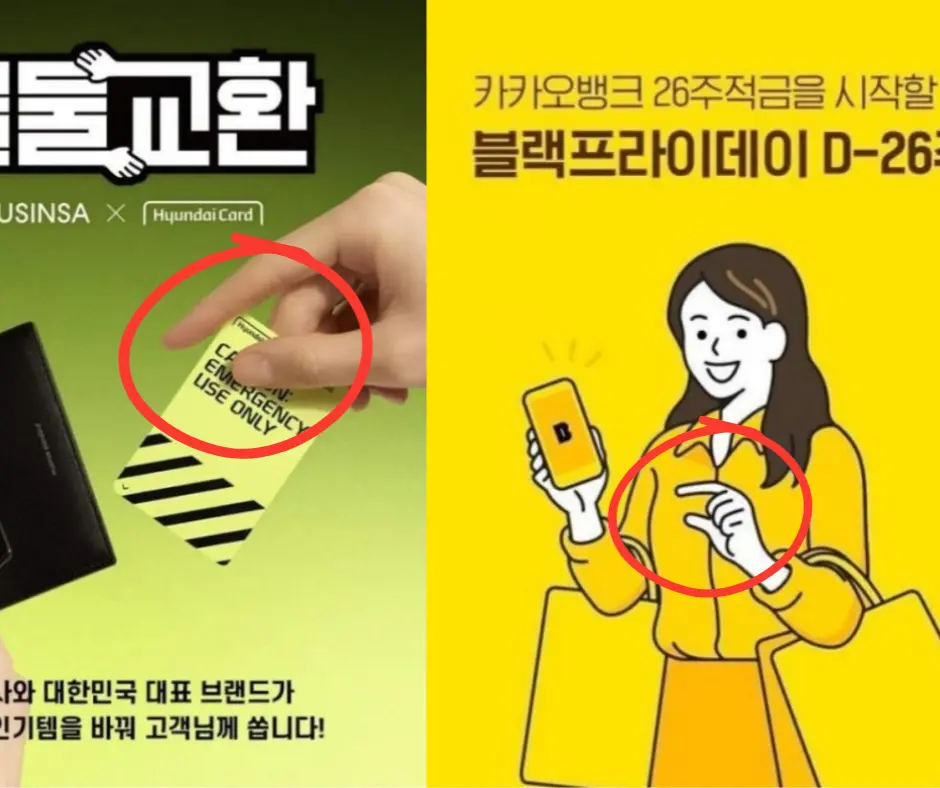
And this story is not an isolated incident, as a great number of companies have their controversies over the subject in the current climate: GS25, Nexon, Kakao Games—all have suffered boycotts over peripherally linked accusations of spreading “feminist imagery.” These issues once again highlight the challenges companies are met with in handling gender politics in contemporary South Korea. In 2021, for instance, a major convenience store chain, GS25, came under controversy for having used a similar gesture in a promotional poster.
The company later gave a public apology and removed the offensive content; it revealed how gender issues have become an extremely sensitive aspect of South Korea. Earlier, Nexon and Kakao Games had been embroiled in controversy, too, for having used perceived feminist imagery in their promotional pictures which had raised outcry against them, and the users started to boycott them.
How Companies Can Serve the World
There is so much that international companies operating in South Korea can learn from the Renault Korea crisis. It calls for the awareness of local culture and politics that will better their methods of communication and marketing. All companies should be careful with the symbols and messages they use as this may end up igniting unplanned and unnecessary gender-based conflicts.
Companies working around the world need to be willing to invest in sensitivity training for employees and ensure that their marketing staff is aware of local issues. They should establish transparent internal procedures for content review and signoff—certainly, that means nothing will go wrong. This way, companies could wade through the complex, South Korean gender politics with a firmer footing.
South Korea needs strategies for gender equality and dialogue to relieve societal pressures and resolve conflicts.
Future of Gender Relations in South Korea
The current gender battle is without any conclusion in South Korea. Though societal demands and economic anxiousness are burdens that both men and women have to bear, the path through which one must set off for achieving his goal is rigorously hard work. It will be meaningful for policymakers, businesses, and civil society to deliberate and devise strategies responsive to both men and women’s interests.
The future of gender relations in South Korea will depend on what can be worked out through dialogue for a win-win, as far as possible. This will go toward mutually beneficial solutions that serve to relieve economic and social pressure that young men suffer from; it creates gender equality in the workplace and offers room for dialogue. Towards this end, fostering a more inclusive and equitable society will move South Korea to resolve its gender conflict.
Conclusion
The feminist hand gesture fiasco at Renault Korea is a microcosm of the larger macrocosm concerning the gender wars that South Korean society confronts. It is a sign of greater discussion and comprehension between genders and sensitivity in communicating in such an already polarized atmosphere. Since South Korea is going through shifting times, the sorting out of these gender-oriented issues is likely to be a key to future progress toward building an inclusive and fair society.
FAQs
What was the crisis all about involving Renault Korea?
In connection with a Renault Korea crisis, what had happened was a promotional video wherein a female employee made a hand gesture that many considered as a feminist symbolic action of mocking male genitalia; this provoked public outrage and demand for boycott.
Why is a hand gesture controversial?
The hand gesture is associated with Megalia, a radical feminist community in South Korea which is notoriously provocative against misogyny. Many men would consider it mocking male genitalia.
In what way did the Renault Korea crisis cause an effect on the company?
The result of the crisis was a disastrous brand reputation for Renault Korea, considering that sales were about to launch with its new model, the Grand Koleos.
What is the wider societal context of the Renault Korea crisis?
It shows much deeper gender conflicts existing in South Korea that are rooted in traditional gender expectations, economic anxiety, and political anti-gender rhetoric.
How do online communities influence the gender conflict in Korea?
Online community websites such as Ilbe Storehouse have emerged as a hub of the most hostile misogynistic views ever seen, breeding young males against feminism and spiking gender discord.
What are some of the lessons that international companies must learn from this Renault Korea crisis?
International companies should be sensitive to local culture and political context, use symbols and messages correctly, and pursue inclusive strategies if they wish to negotiate gender politics effectively.
Ever wondered what makes a movie franchise not just good, but legendary? The Roundup Franchise has not only dominated Korean cinema but also captivated audiences worldwide. With Ma Dong-seok, aka Don Lee, leading the charge, these films consistently shatter box-office records and gather a devoted fanbase.
But what sets them apart from other action movies? Dive in as we uncover the secrets behind The Roundup Franchise’s phenomenal success and explore what makes it a standout in the action genre.
Discover why The Roundup Franchise, led by Ma Dong-seok, dominates Korean cinema and action genre success.
The Roundup Franchise: A Strong Start
The franchise started from the 2017 movie The Outlaws, in which the character of tough, no-nonsense detective Ma Seok-do, portrayed by Ma Dong-seok, was introduced to the audience. It was based on a real story involving Ma Seok-do’s inexhaustible chase after a mad, violent gang terrorizing the city. The gripping action scenes combined with an engaging storyline, plus Ma Dong-seok’s magnetic screen presence, made The Outlaws an instant hit.
The Roundup Franchise: Ma Dong-seok’s gripping action and compelling storylines
Ma Dong-seok: The Spirit of the Franchise
The success of The Roundup franchise lies entirely with its lead actor: Ma Dong-seok, who gave an iconic performance as Ma Seok-do. With his sizeable physical appearance and charismatic nature, Ma Dong-seok melds in an exciting dose of humor, intensity, and authenticity. He has indeed been able to endear himself to audiences worldwide as he transitions with ease from delivering bone-crushing punches to dishing out witty one-liners.
Ma Dong-seok’s character, Ma Seok-do, is that typical audience-favorite hero: tough, righteous, unshakeable in the face of evil. This character has been the one most identified with the franchise, creating an “MCU” that people look forward to with each new entry.
The Roundup Franchise: Ma Seok-do’s fist-fighting justice and the triumph of good over evil
The Appeal of Uncomplicated Justice
An elementary but potent theme underlies The Roundup series: the triumph of good over evil. Each film shows Ma Seok-do take down a series of villains with growing ruthlessness, only using his fists and intractable determination. This simplistic fight for fairness appeals to audiences, who must feel satisfied that the world is just and that wrongdoers will receive their due punishment.
The fighting scenes in The Roundup have been well choreographed to bring forth the real power and fighting skills of Ma Dong-seok. Unlike most action stars depending on weapons and gadgets, Ma Seok-do proves himself by using his fists to bring justice, making the fight raw and close. This puts more emphasis on reality and thrill that go hand in hand, keeping one literally on the edge of their seat.
The Roundup Franchise: New villains each film keep Ma Seok-do’s battles intense and the series exciting.
Evolving Bad Guys: A New Challenge Every Time
Another aspect that keeps the franchise refreshing is that a new list of tough baddies is always inducted with every entry. Be it the gruesomely ferocious villain Jang Chen, played by Yoon Kye-sang, in The Outlaws or the severely psychopathic serial killer Kang Hae-sang (Son Suk-ku) in The Roundup: No Way Out, the franchise always ups the competition for Ma Seok-do.
The latest in the series, The Roundup: Punishment, introduces two more antagonists in the form of Baek Chang-gi and Chang Dong-chul. These characters—Baek Chang-gi, a defective special forces agent, and Chang Dong-Chul, a genius IT CEO—have added newer hues to the existing norms in the form of their stereotypical styles of physical and intellectual antagonism. Indeed, this divergence of antagonists makes the serial plot, preventing it from falling into monotony.
Humor and Heart: Balancing Intensity with Levity
Although The Roundup franchise is action-packed and rather grueling, it injects scenes of comic relief and sentiments into the series that make it much lighter to watch and warmer. In a way, Ma Seok-do’s affair with the brother’s cons and the twin’s clownish humor, Jang Yi-soo, acted by Park Ji-hwan, and Park Chi-du, cast by Kim Gyu-ri, infused the intensity of the high-stakes drama with humor.
The humor in the films of The Roundup is not at all forced or out of place; it instead comes from the characters’ personalities and the situations they are placed in. It’s this blend of humor and action that just makes a complete movie to fit a universal audience.
Realistic Storylines: Based on True Life Events
The Roundup: Real-life events anchor the franchise, making victories feel personal and real.
One of the features that can be identified with The Roundup franchise is basing real-life events to script the story. The Outlaws is firmly based on an actual gang war incident in the district of Seoul, in the district of Garibong-dong, and hence, it gives even more extra reality to the narrative. The films are placed within a reality context, getting the audience to bind with the franchise much more personally, making the stakes real and the victories sweeter.
The Roundup Franchise: A Cultural Phenomenon
The Roundup franchise has become more than just another series of action films; it is today a cultural phenomenon in South Korea and beyond. The secret lies in the fact that those movies were able to refer to the universal subjects of justice, heroism, and stamina. Moreover, it was riding on the vast popularity of Ma Dong-Seok, proven yet again to be quite the box-office magnet.
The Roundup Franchise: Expanding with sequels and spin-offs, exploring Ma Seok-do’s world for endless excitement.
A Cinematic Universe of Endless Possibilities
With announcements of sequels and even possible spin-offs already in the works, The Roundup franchise looks like it has no intention of stopping soon. Rumors are that they will delve into various aspects of Ma Seok-do’s world with possible prequels or other character-centric stories that would be set within the same universe. They are opening up infinite possibilities, not only for storytelling but also for character development within the franchise, to keep it fresh and exciting over the years.
1. The Roundup: The Outlaws (2017)
Genre: Action, Crime, Thriller
Time: 121 minutes
IMDb Score: 7.2
Short Synopsis: Detective Ma Seok-do tackles a violent gang terrorizing the Seoul district of Garibong-dong. Based on a true story, the film blends gripping action scenes with an engaging narrative. Ma Dong-seok’s powerful performance made it an instant hit.
Short Synopsis: Detective Ma Seok-do heads to Vietnam to capture a brutal serial killer targeting tourists. The sequel intensifies the action with raw, fist-fighting combat. Ma Dong-seok’s presence once again captivates the audience.
Short Synopsis: Synopsis: Ma Seok-do confronts a psychopathic serial killer, raising the stakes to new heights. The film delivers relentless action and suspense. Ma Dong-seok’s portrayal of the determined detective keeps viewers on edge.
Short Synopsis: Detective Ma Seok-do faces new adversaries, including a rogue special forces agent and a cunning IT CEO. The film introduces fresh antagonists, ensuring the franchise remains exciting. The combination of intense action and complex villains keeps the narrative engaging.
But the magic of the success of the Roundup franchise is in its making of characters compelling, intense action scenes, and the undeniable charisma of Ma Dong-seok. By hitting humor, heart, and realistic storylines, the franchise has attracted all and won itself a place in pop culture. As the series continues to grow and expand, it remains a cherished and timeless part of Korean cinema that viewers of this burgeoning genre can continue to experience excitement.
FAQs
What made the character of Ma Dong-seok in The Roundup franchise so famous?
Ma Dong-seok’s character, Ma Seok-do, was famous for his complex and righteous personality, expressed in a unique mixture of humor and intensity. It is thus possible that he endears himself to an audience by the ways of dealing justice with those fists of his and the witty one-liners.
What is the importance of the villains in The Roundup series?
The villains of the story in the Roundup series take away each previous stake and add a new one, bringing new difficulties to Ma Seok-do every time. Complicated and exciting antagonists make the storyline entertaining and do not make the serial boring.
What is the humor in the franchise of The Roundup?
However, the humor in The Roundup franchise makes up for the very intense action and drama that otherwise follows. It is situational but balanced perfectly, making the films more in touch with audiences.The Roundup franchise stands out due to its emphasis on hand-to-hand combat, realistic storylines inspired by real-life events, and the magnetic presence of Ma Dong-seok. The combination of intense action, humor, and heart makes the films unique and captivating.
How has The Roundup franchise become a cultural phenomenon?
Bringing alive universal themes of justice, heroism, and persistence, the Roundup franchise has sent cultural shockwaves to the public. The film’s success can be attributed to Ma Dong-seok’s star power and the franchise’s capability to provide content that is always thrilling and interesting.
What is the humor in the franchise of The Roundup?
However, the humor in The Roundup franchise makes up for the very intense action and drama that otherwise follows. It is situational but balanced perfectly, making the films more in touch with audiences
What sets apart The Roundup franchise in the world of action movies?
The Roundup franchise stands out due to its emphasis on hand-to-hand combat, realistic storylines inspired by real-life events, and the magnetic presence of Ma Dong-seok. The combination of intense action, humor, and heart makes the films unique and captivating.
Will there be any more movies in The Roundup series?
Yes, indeed, sequels are in the offing, and series and even more films based on The Roundup. The creators accidentally hinted that they will further develop not just the story of Ma Seok-do but also his world in general. In other words, the producers stated unlimited possibilities for the appearance of new stories and character development.
In a high-tech nation renowned for its cutting-edge innovations, an ancient tradition is making an unexpected comeback: Korean Shamanism. Amid South Korea’s bustling modernity, the spiritual practices of Mudang, or shamans, are captivating the MZ generation.
This intriguing resurgence offers a unique lens into how these age-old beliefs are thriving in contemporary society, blending tradition with the complexities of modern life. Why is this mystical practice gaining traction among today’s youth? Read on to uncover the fascinating reasons behind the revival of Korean Shamanism.
Korean Shamanism’s revival captivates South Korea’s modern MZ generation.
The Rise of Modern Korean Shamanism
South Korean shamanism has always had a distinctive position in the cultural and spiritual life of the country. Historically, shamans worked as mediums between the human world and the spirit world, using Gut rituals to ask for blessings or guidance from gods and spirits. But for more than half of the country’s people, who claim no religious affiliation, this has been compelling.
Shamans like Lee Kyoung-hyun, who is quite popularly known on the internet as “Aegi Seonnyeo” or “Baby Angel,” have also adopted social media to reach out to a broader audience. Hers is a YouTube channel that started in 2019 but has amassed hundreds of thousands of followers. She also uses the platform to pass her insights into the spiritual world, including online consultations, and demystifying rituals that constitute shamanism.
Shaman Lee Kyoung-hyun, aka “Aegi Seonnyeo,” uses YouTube to share insights, conduct online consultations, and demystify shamanism.
Social Media: Modern Venue for Ancient Practices
Shamans could always have reached out, but only recently, with the availability of YouTube and Instagram, they can reach out to people beyond their native territories. Indeed, Google Trends reveal that the number of searches for “shaman” and “fortune-telling” in recent years has increased. It makes his professional activity modernized and helps Shamen overcome common prejudice attached to this profession.
YouTube and Instagram modernize shamans, boosting searches for “shaman” and “fortune-telling.”
A good example is the 2024 movie “Exhuma,” which deals with the life of young shamans. It internationally drew revenues of over $97 million. Young stylish shamans are described, which have created a fresh sensation in society again. According to Jang Jae-Hyun, the film director, many young shamans were found during the research for the shooting, reflecting such features present in large quantities in current Korean society.
Skyrocketing economic anxiety is among the reasons that contribute to the increase in the popularity of shamanism among young Koreans. The high living standards, difficulty in getting a job, and pressure of current life have, in turn, brought solace to most of them, which they often find more comfortable after visiting the shamans for advice. As it may be noted, Park Chea-bin, a Buddhist aged 33, got peace and later got employment. As she shared that in 2020, during her time of job-hunting, she consulted a fortune teller.
Shamen also engages in fortune telling, repairing relationships, and advising on employment opportunities. The fees for the majority of these services range around 100,000 won ($73) per 30 to 60-minute session. These rituals could be with the use of bells ringing, a throw of grains of rice, singing, and dancing, or even walking on knife edges to call upon divine intervention.
Korean shamanism blends local gods with Buddhist and Christian elements, showing strong adaptability.
Bridging the Gap Between Tradition and Modernity
Korean shamanism has changed to integrate alien elements and practices from other religious traditions, a tendency that reflects the eclectic spiritual environment in South Korea. The majority of shamans worship a mixture of local gods, such as the Mountain God and the Dragon King, as well as figures from Buddhism and Christianity. All these make shamanism retain its strong adaptability even in a fast-changing society.
Over time, shamanism has persisted and accommodated all the efforts made to stifle it under the Japanese colonial period and in the military dictatorship of the 1970s. Today, shamanism is now an accepted part of Korea’s heritage. Indeed, according to the Ministry of Culture, there are between 300,000 and 400,000 shamans and fortune-tellers across the length and breadth of South Korea.
Shamanism in Mental Health and Wellness
Shamans take the place of counselors in South Korea, where the sociocultural surroundings still bear stigma toward mental health problems. Many people prefer shamans to conventional mental health treatment; this could be because in cultural acceptance, shamanism is taken as a legitimate way through which guidance and comfort are sought.
Young urban-living shamans, according to Han Seung-hoon, an assistant professor at the Academy of Korean Studies, excel in fellow feeling toward their economic-troubled peers. Not only do they provide spiritual guidance, but they also offer practical advice on how to get by in today’s tough world.
“Exhuma” portrays the younger generation of shamans as cool and trendy, modernizing ancient practices.
The Future of Shamanism in South Korea
The future of shamanism in South Korea looks bright, as it has the power to change and follow the changing norms of society and advancements in technology. Shamans at an increasingly younger age, MZ generation, continue to use social media to reach their much more comprehensive audience; such will increase the popularity of the practice.
That shamanism would again emerge and take another form as cyber-shamanism within modern digital space is proof of the tenacity and vitality of old traditions. Life continued for most Koreans, intertwined with shamanism, as opposed to the experience of individual practitioners who faced difficulties and often legal problems. In the same way, it can be shown how ancient practices have come back to life in modern society with the embedding of shamanism into the contemporary digital landscape.
Conclusion
The re-emergence of shamanism in South Korea shows how the ancient spiritual practices have their pull so much strong against modern challenges. Embracing technological advancements and being able to address some of the modern-day issues that their clientele faces, Korean shamans have been able to consistently make themselves visible and relevant in society. As they slowly find themselves as bridges between tradition and modernity, it is evident that the future of shamanism in South Korea is bright.
FAQs
What is Korean Shamanism?
Korean shamanism, Mugyo, is an ancient animistic religion; shamans, or Mudang, are mediators between the living and the spirit world. These actions take place through the performance of rituals for blessing and guidance.
Why is Shamanism growing in popularity in South Korea?
Economic anxiety is driving this resurgence, and many youths seek out shamans for guidance and comfort. The adaptation of shamanic practices to social media has increased its popularity.
How do Korean shamans of contemporary times exercise their profession?
Modern shamans offer services that can be consulted through social networks like YouTube or Instagram. They give all kinds of predictions, relationship advice, and even recommendations in job search—regardless—traditional rituals are usually not forgotten.
What are some issues plaguing the shamans in South Korea?
There are many problems concerning shamans, such as legal and social acceptance, but each day, the situation is getting better by way of an increasing level of recognition of shamanism as one of the elements of cultural heritage.
How do shamanic rituals work?
Gut or shamanic rituals involve many activities such as ringing bells, tossing grain of rice, singing, dancing, and walking on edges of knives. These are done to invoke the blessings or directions of the gods and spirits.
Can shamanism and other religions be practiced simultaneously within South Korea?
Yes, shamanism in South Korea is often blended with other religious traditions in a way that reflects an eclectic spiritual smorgasbord. Many shamans maintain syncretistic worship involving local gods, Buddhist deities, and Christian figures, among others.
In the vibrant and dynamic world of Korean cinema, one film stands out for its compelling mystery and profound impact: “파묘” (Exhuma). Crafted by the visionary director Jang Jae-hyun, known for his masterpieces “The Priests” and “Svaha: The Sixth Finger,” “Exhuma” captivates audiences with its enthralling plot and deeper layers of symbolism.
What secrets lie hidden within this cinematic gem? How does it intertwine with Korea’s heroic resistance against Japanese occupation?
Join us as we unravel the fascinating hidden codes in “Exhuma,” shedding light on the historical and cultural nuances that make this film a must-watch. Spoiler Alert: Read this only after watching to fully appreciate the intricate narrative.
Exploring the Film’s Foundation: A Brief Synopsis
“파묘” follows the eerie events surrounding a geomancer, an undertaker, and a shaman, played by Choi Min-sik, Yoo Hae-jin, and Kim Go-eun respectively. They are hired to relocate a suspicious grave, only to uncover dark secrets and face supernatural phenomena. The film masterfully intertwines an occult mystery with a significant historical narrative, split into two distinct halves – the first focusing on the occult and the second on Korea’s history.
Unveiling Anti-Japanese Symbols and Historical Codes
Jang Jae-hyun’s “파묘” is a treasure trove of historical symbols and references. The film is divided into four parts, with the latter half introducing the theme of Korean resistance against Japanese occupation, symbolized through various hidden codes.
1. Character Names and Their Historical Significance
Lee Do-hyun’s Bong-gil honors Yun Bong-gil, famed for his Shanghai bombing against Japanese.
The characters’ names in “파묘” are more than mere identifiers; they are tributes to Korean independence activists. Choi Min-sik’s character, Sang-deok, is named after Kim Sang-deok, a notable member of the Korean provisional government. Yoo Hae-jin’s character, Young-geun, refers to Go Young-geun, a significant figure in the Independence Club. Kim Go-eun’s character, Hwa-rim, is a nod to Lee Hwa-rim, who was active in the Korean Patriotic Corps. Lee Do-hyun’s character, Bong-gil, honors Yun Bong-gil, the famed activist known for his bombing attack against Japanese dignitaries in Shanghai.
2. Numerical Symbolism in Vehicle Number Plates
The vehicles in “파묘” have number plates that bear significant historical dates. The plates numbered 0301, 1945, and 0815 correspond to pivotal moments in Korean history: March 1st (the March 1st Movement), 1945 (the year Korea gained independence), and August 15th (Victory over Japan Day). These numbers are carefully chosen to reflect the film’s historical commentary.
“파묘” car plates 0301, 1945, 0815 mark key Korean historical dates.
3. Significance of Locations and Objects
The film’s settings and objects are deliberately chosen to reflect deeper meanings. The temple named Bokuksa, meaning “protect the country temple,” references a real temple associated with the monk Won Bong, who was a leader in the independence movement. Additionally, the use of a 100-won coin featuring Admiral Yi Sun-sin by the geomancer is a deliberate choice, symbolizing resistance and valor, as Yi Sun-sin is a celebrated national hero.
4. Unveiling the Historical Narrative
“파묘” blends history with narrative, using metaphors to depict Japan disrupting Korea’s spiritual energy.
“파묘” stands out for its seamless integration of historical elements with its narrative. The second half of the film, marked by the line “The fox has broken the tiger’s back,” uses metaphor to highlight Japanese efforts to disrupt Korea’s spiritual and cultural foundation by driving iron stakes into geomantically significant locations. This practice was believed to sever the land’s vital energy.
Intriguing Trivia and Hidden Secrets About “파묘” (Exhuma)
1. The Goblin Play Ritual
In “파묘,” three sisters perform a detailed “goblin play” in a hospital, a traditional exorcism ritual to summon and trick spirits.
One of the most memorable scenes involves the three sisters performing a “goblin play” in a hospital. This ritual is designed to summon spirits and reveal their identities or obtain information by tricking the spirits that possess people. It’s a traditional exorcism ritual, depicted with meticulous detail.
2. The Fiery Spectacle
A visually stunning scene in the film features blazing flames, a significant moment that director Jang Jae-hyun revealed cost the most in production. Utilizing cranes and wire setups, this scene was performed live without CGI, emphasizing the director’s commitment to practical effects and realism.
3. Kim Go-eun’s Spell Chanting
Kim Go-eun’s Hwa-rim excels in spell-chanting, memorized incantations, and improvised whistling.
Kim Go-eun’s character, Hwa-rim, performs a spell-chanting scene that garnered widespread acclaim. The script required her to chant lengthy incantations, which she memorized and delivered in a musical, rhythmic manner. Her whistling scene was an improvised addition, showcasing her attention to detail and commitment to authenticity.
4. Director’s Dedication to Realism
Director Jang Jae-hyun’s dedication to realism is evident in his decision to obtain a funeral director’s license during the production of “파묘.” Over three years, he consulted with undertakers and geomancers, participating in approximately 15 actual exhumations. This extensive research underscores his deep commitment to the occult genre.
Director Jang Jae-hyun gained a funeral director’s license, joining 15 exhumations for realism in “파묘.”
5. An Uncanny On-Set Experience
Filming in the mortuary, Yoo Hae-jin and the cinematographer fell ill; shaman’s intervention brought quick recovery.
One intriguing behind-the-scenes story involves the filming of a scene in the mortuary, where the characters attempt to summon spirits. On that particular day, both Yoo Hae-jin and the cinematographer reported feeling unwell. The shaman consultant on set, observing the monitor, suddenly exclaimed “Get out!” The next day, both Yoo Hae-jin and the cinematographer’s ailments had miraculously improved. This eerie experience added an extra layer of authenticity and mystery to the film’s production.
6. Director’s Intent and Audience Reception
Jang Jae-hyun’s “파묘” honors lesser-known independence activists; praised for depth.
Jang Jae-hyun aimed to shed light on lesser-known independence activists through “파묘.” In interviews, he expressed his desire to honor these figures and educate audiences, adding depth to the film’s narrative. The reception has been overwhelmingly positive, with viewers appreciating the layered storytelling and historical depth.
7. Impact on Contemporary Korean Cinema
“파묘” has set a new benchmark in Korean cinema by blending historical narratives with genre filmmaking. This approach not only entertains but also educates, providing a richer viewing experience. The film’s success has paved the way for future projects to explore similar themes, preserving and promoting Korea’s historical heritage.
“파묘” weaves Korea’s history with occult mystery, revealing hidden codes and symbols that captivate and enlighten viewers.
Conclusion
“파묘” is more than just a cinematic experience; it is a historical tapestry woven with the threads of Korea’s past struggles and triumphs. By delving into the hidden codes and symbols within the film, viewers gain a deeper appreciation for the rich historical context and the director’s vision. This blend of occult mystery and historical narrative not only captivates but also enlightens, making “파묘” a landmark film in Korean cinema.
FAQs
What is the main plot of “파묘”?
“파묘” follows a geomancer, an undertaker, and a shaman as they uncover dark secrets while relocating a suspicious grave, intertwining occult mysteries with Korea’s historical resistance against Japanese occupation.
Who are the main characters in “파묘” named after?
The characters are named after notable Korean independence activists: Kim Sang-deok, Go Young-geun, Lee Hwa-rim, and Yun Bong-gil.
What do the vehicle number plates in the film signify?
The numbers 0301, 1945, and 0815 on the vehicle number plates represent significant dates in Korean history related to the independence movement and victory over Japan.
How does shamanism play a role in the film?
Shamanism is integral to the plot, with authentic rituals and practices depicted through Kim Go-eun’s character, adding a layer of cultural depth to the film.
What is the significance of the 100-won coin in the movie?
The 100-won coin, featuring Admiral Yi Sun-sin, symbolizes resistance and valor, aligning with the film’s historical themes of Korean resistance against Japanese occupation.
How has “파묘” influenced contemporary Korean cinema?
“파묘” has set a precedent for integrating historical narratives with genre filmmaking, enhancing both entertainment and educational value in contemporary Korean cinema.
The current political situation on the Korean Peninsula is the most uncertain in decades. Recently, North Korean leader Kim Jong Un declared that South Korea is now an enemy state, which contradicts the intention of former leaders to reunify the country peacefully.
This, combined with North Korea’s advances in missile technology and aggressive military drills, raises a burning question: Does North Korea want war, or is this another act of strategic posturing?
North Korea’s shift to aggressive tactics, abandoning peaceful reunification, heightens tensions and reveals strategic motives.
Introduction
North Korea’s belligerence is old hat, but recent events suggest a possible change in tactics. Giving up on peaceful reunification and intensifying military readiness shows a more aggressive stance. Knowing the motivation behind North Korea would be necessary as tensions continue to heighten and the realization of the realization of the outcome of these motives.
North Korean Military New Tactic
Missile tests reveal North Korea’s hypersonic and nuclear drones, threatening stability.
The statement by North Korea that South Korea is a country that they regard as an enemy state is a new tactic from the time of Kim Jong Un’s father and grandfather. This arises from the fact that North Korea has been more vigorous in upping its nuclear weapons, and on this matter, atomic weapons are not deterrence. Instead, these are revealed to be active tools behind their military strategy.
Recent missile tests showed that North Korea has, beyond doubt, pursued the drive to expand its military capabilities, reaching new heights with hypersonic warheads and nuclear-capable underwater drones. These latest innovations will be able to outsmart the current defense systems and are, therefore, very much capable of posing a real danger to regional stability.
Calculations of Kim Jong Un
Making such an aggressive rhetoric and military maneuvers make Kim want to appear to have raised North Korea as a threat in the region. By painting South Korea as an overt threat, Kim legitimizes his aggressive military build-up and nuclear advancements. The story serves not only the purpose of ensuring his grip on power within the country but also acts externally as a highly effective strategic deterrent against interference.
Analysts believe that Kim may be reacting to a weakening of the United States’ position and an increase in its alliances with Russia and China. North Korea is turning more to these other great powers because, through this turn, it hopes to place itself in a stronger position so it does not have to count on the failure-prone negotiations it has with the United States.
Kim’s aggressive rhetoric boosts North Korea’s threat, deters interference, and strengthens ties with Russia and China.
International Reaction and Implications
The international community’s reaction, mainly the U.S. and South Korea, has been one of rising military preparedness and continuing joint exercises. Such a tit-for-tat policy raises the possibility of tensions running much higher. Washington’s attempts at offering talks “anywhere, anytime, without preconditions” were instantly dismissed as disingenuous because Pyongyang considers such overtures futile against the backdrop of drastic U.S. policy changes.
The emerging alignment between North Korea, Russia, and China greatly complicates US policymakers’ challenges. These relationships afford North Korea diplomatic backing and also potential technological and military support, which complicates efforts to contain its nuclear ambitions.
Kim Jong Un meets Putin, strengthening North Korea-Russia ties against the US.
Kim Jong Un’s ties with China complicate US efforts to contain North Korea.
The Risk of Military Confrontation
While the prospect of a full-scale war remains unlikely due to the catastrophic consequences it would entail, the risk of limited military engagements is increasing. Kim’s rhetoric about a “revolutionary war” and the potential for accidental clashes near the inter-Korean border highlight the fragile nature of peace on the peninsula. It appears to be the strategy of brinkmanship that North Korea’s behavior is based upon—a push of boundaries to extract concessions without really getting into an all-out war. This method, though, stands itself before some pitfalls, as miscalculations might quickly spiral into more significant conflicts.
Historical Context and Lessons
Understanding North Korea’s current actions requires a historical perspective. The Korean War ended in an armistice, not a peace treaty, so the peninsula was still technically at war. It is this unresolved conflict that has continued to determine the strategic calculations of the various North Korean leaderships. Recent acts by Kim Jong Un may be considered prolongations of his grandfather’s strategy in 1950: aiming to unify Korea under Pyongyang. The difference is that today, South Korea has outstripped the economic and military strength of the North.
North Korea’s actions echo Korean War aims, despite South Korea’s strength.
Potential Scenarios and Outcomes
Several scenarios could come to pass from the current tensions:
Continued Stalemate: North Korea continues its provocations, which lead to heightened military readiness on both sides but no direct conflict. This status quo remains in place, with increased risks of accidental engagements.
Limited Military Clashes: Small-scale skirmishes or targeted strikes could occur, testing the resolve of both South Korea and the United States. A consequence is that such steps are likely to provoke retaliatory measures, increasing the tension further.
Diplomatic Settlement: Yet another negotiation round might take place, involving third-party mediators in the form of China or Russia, which would establish de-escalation and a fresh framework for peace dialogue. The best option at play would be this possibility, and it is seriously fraught with give-and-take on both ends.
Conclusion
North Korea’s recent actions and rhetoric set forth a sea change in strategy that departs from peaceful reunification to embrace a more aggressive military stance. Even though the risk of a full-scale war remains low, the probability of military clashes at various levels is increasing. The proper understanding of the motives behind Kim Jong Un’s actions within the greater geopolitical context is needed in order to navigate this complex and volatile situation on the Korean Peninsula.
FAQs
What was the catalyst for North Korea declaring South Korea an enemy state?
Kim Jong Un’s statement is a move toward legitimizing military buildups and nuclear advancements, setting North Korea as a formidable regional power against perceived declines in U.S. influence.
How have the rest of the nations reacted to North Korea’s actions?
The United States and South Korea have beefed up military readiness and gone ahead with joint exercises. Diplomatic efforts to involve North Korea have been met with skepticism from Pyongyang.
Would North Korea’s actions make a full-scale war?
It is unlikely, but it does increase the possibility of limited military engagements. Its strategy of brinkmanship is to extract concessions without moving to outright war, though in the case of miscalculations, this can quickly escalate conflict.
What is the role of Russia and China in North Korea’s strategy?
Aligning with Russia and China provides North Korea with diplomatic heft and possible technological support in a way that limits the ability to contain North Korea’s nuclear ambitions and makes the country less urgently reliant on its negotiations with the U.S.
How does the past help explain what North Korea is doing now?
The ceaseless Korean War and the strategic math of North Korean leader’s past are why Kim Jong Un is doing what he is now: simply following in his grandfather’s footsteps in 1950, who decided to unite Korea under Pyongyang’s control.
What, therefore, is the potential for a plausible outcome of the current tensions?
Scenarios range from continual stalemate with periodic low-level military clashes to a diplomatic breakthrough assisted by third-party mediators, each possessing different implications for regional stability and international relations.